AWAWA
Client
Interactive Science Museum
Type
Museum
Location
Historic Center of Quito, Ecuador
Year
2025
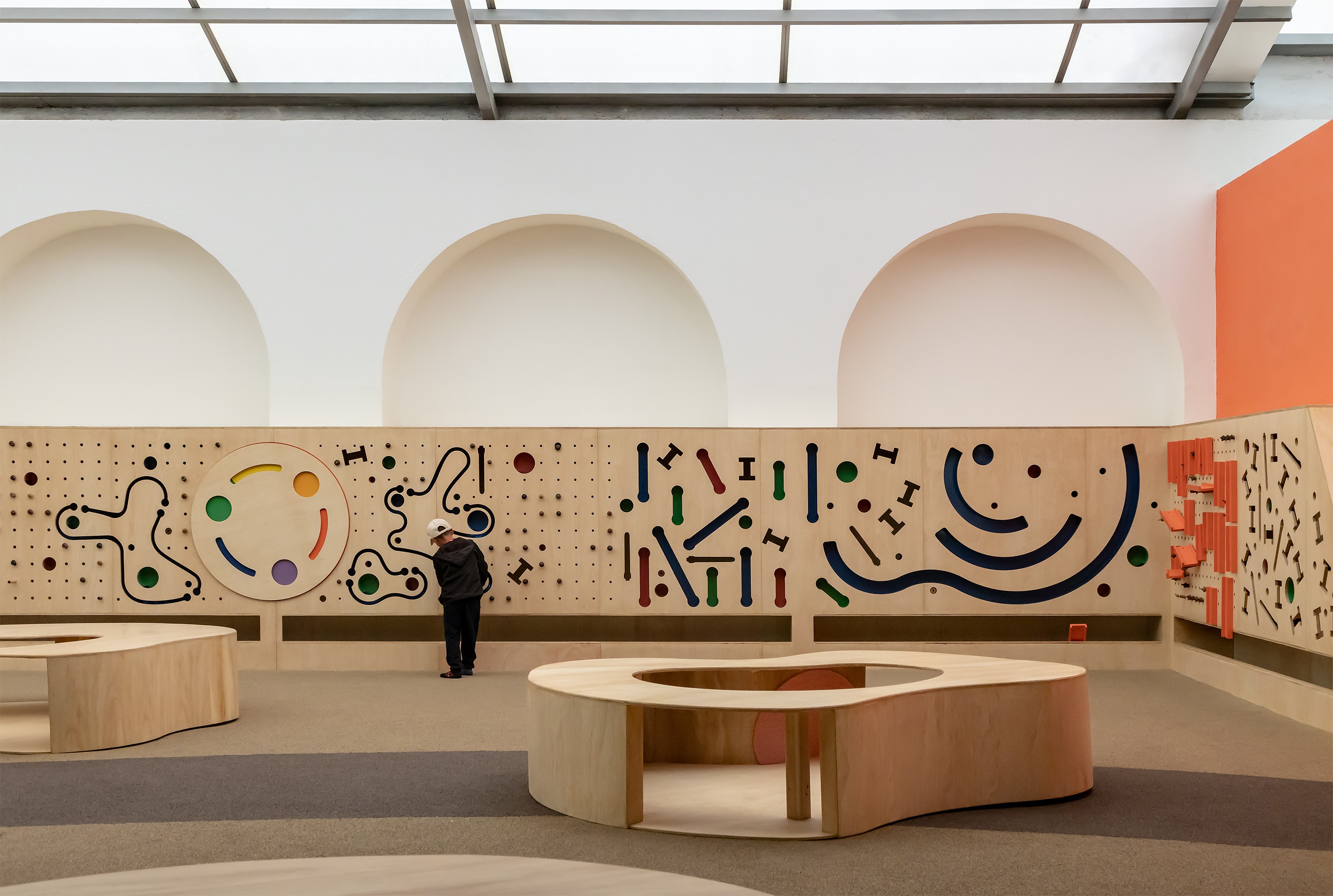
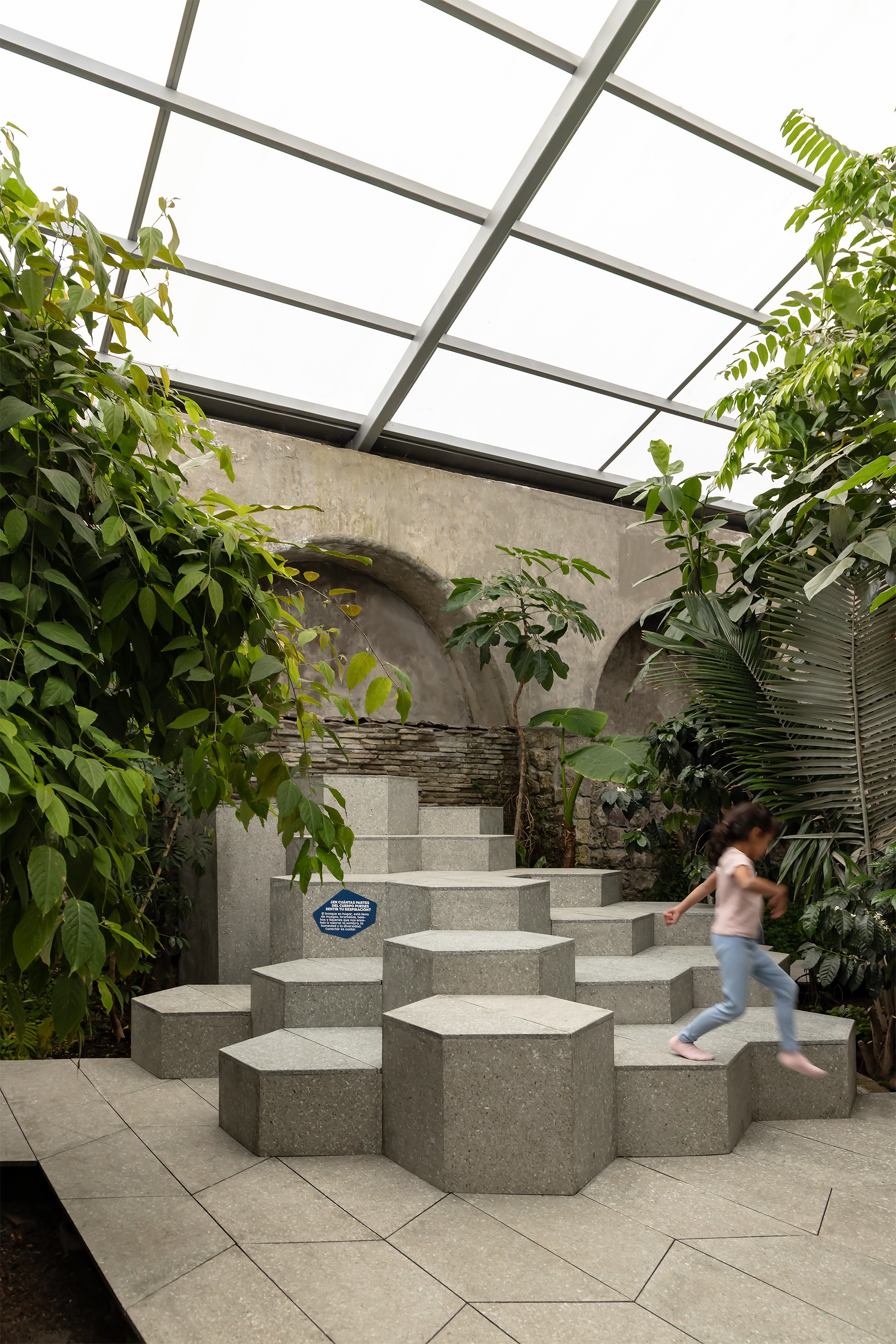
The Early Childhood Room at the Interactive Science Museum was conceived as an open ecosystem where architecture, materials, and the body interact without predetermined routes. Designed as a habitable landscape, the space combines wood, textiles, ropes, perforated surfaces, modular volumes, and woven structures to encourage free movement, sensory exploration, and autonomous discovery. Each zone offers different intensities—from climbing, balancing, and navigating soft terrains to moments of pause, observation, and calm—allowing every child to find their own rhythm.
Distributed across the 1500 m² room, sensory modules, tubular pathways, hexagonal platforms, reflective surfaces, and color‑filtering tunnels create a diverse environment that supports curiosity, cooperation, and early scientific thinking. Elements such as spore‑like storage objects, tactile tables, and a greenhouse‑like interior garden expand the experience into playful encounters with form, texture, and light. Developed through research and close collaboration with the museum team, the project embraces the responsibility of designing for early childhood, offering a landscape where exploration, imagination, and embodied learning unfold naturally through play.
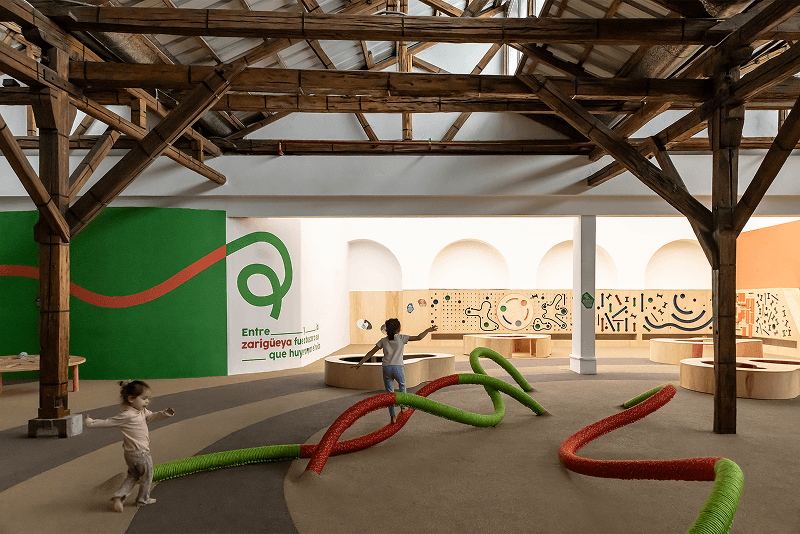
How do children play with freedom?
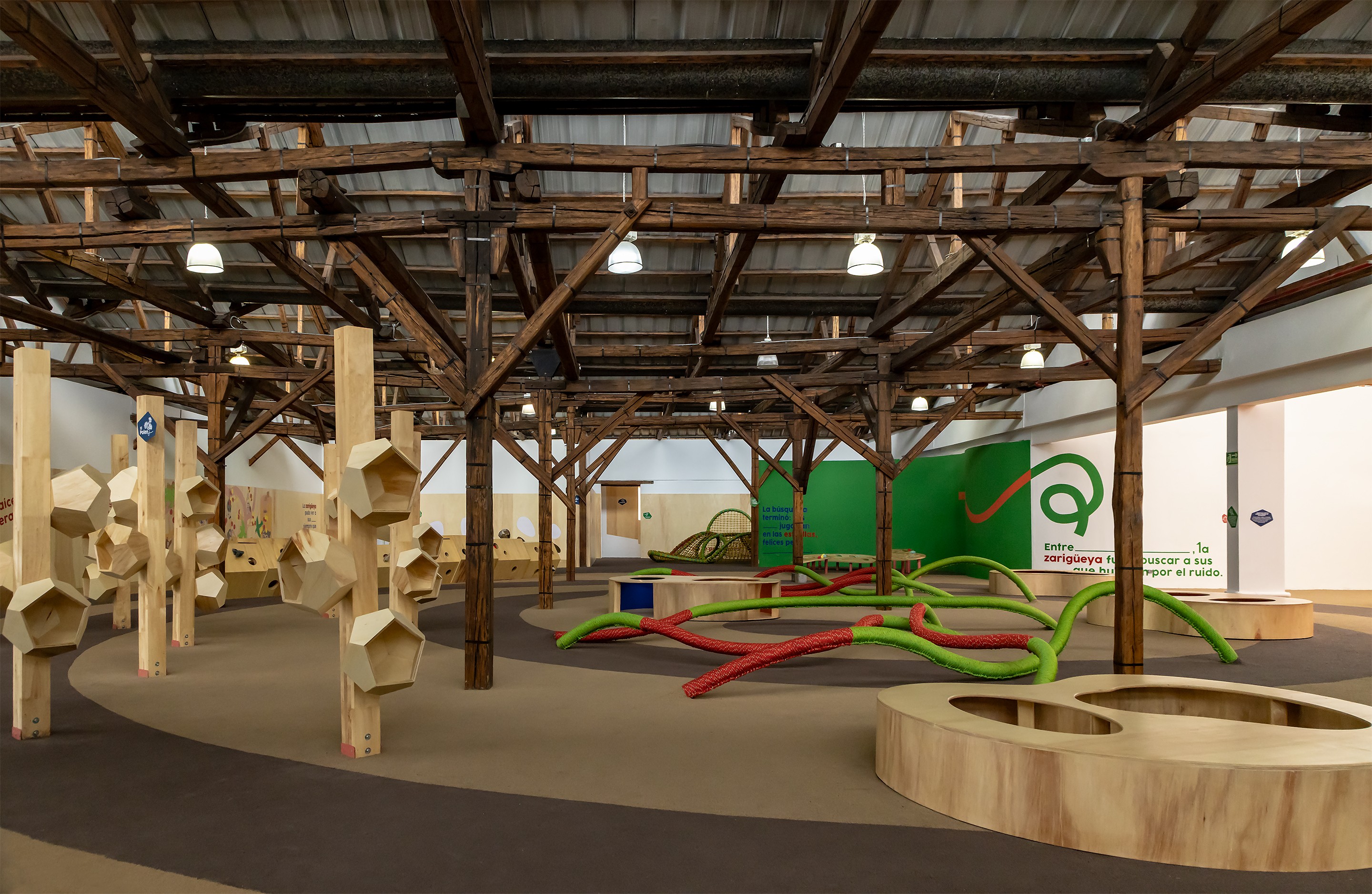
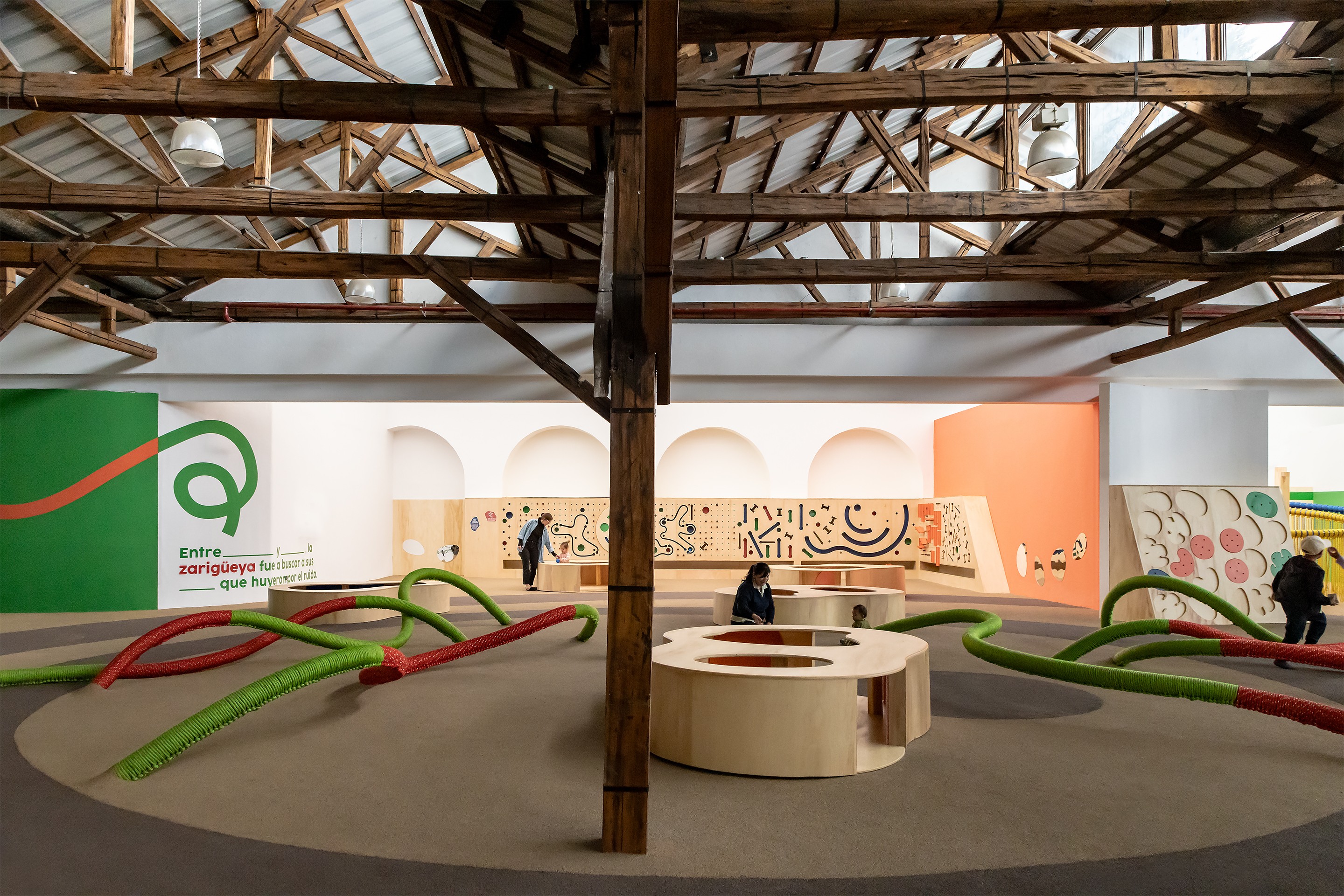
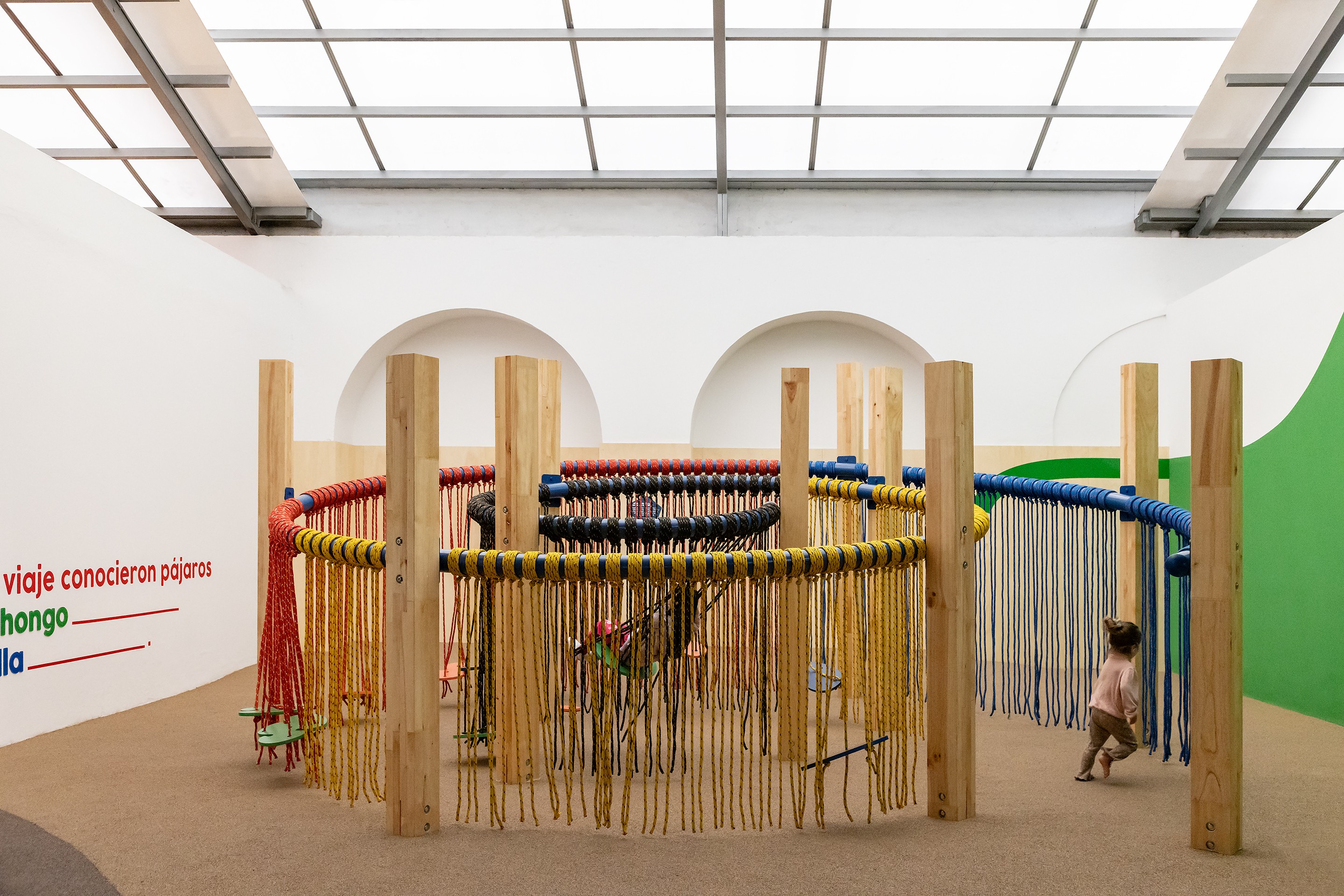
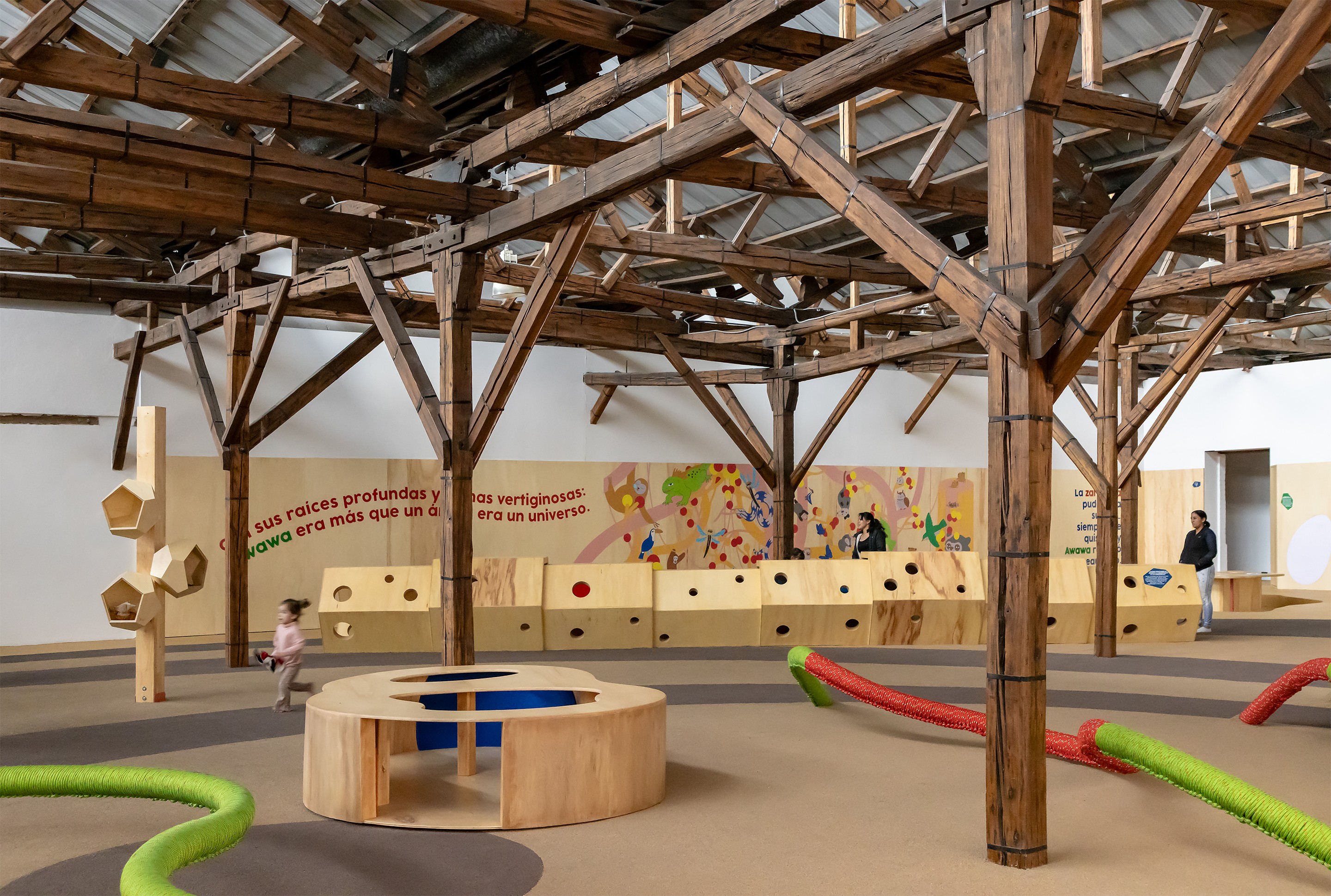
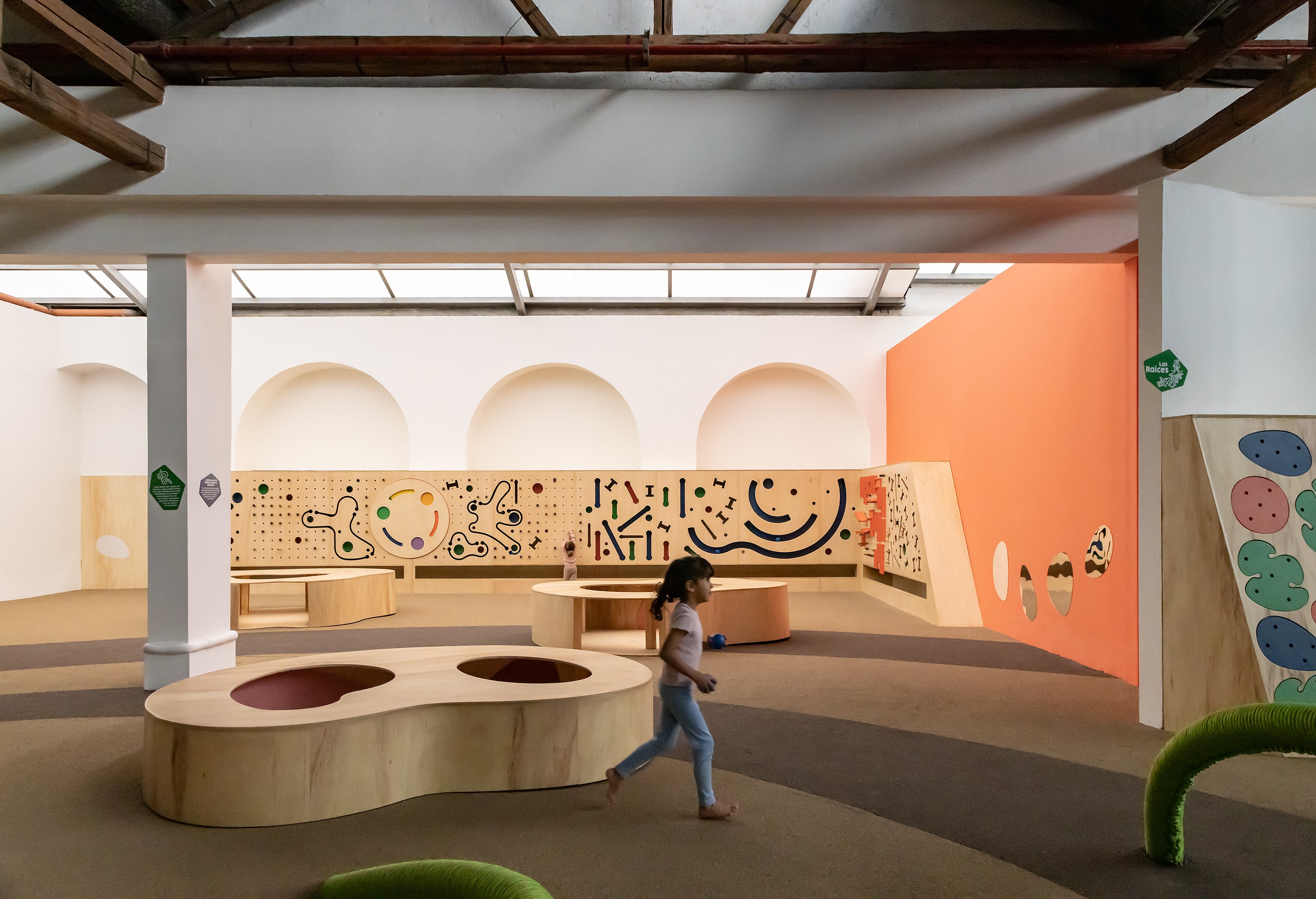
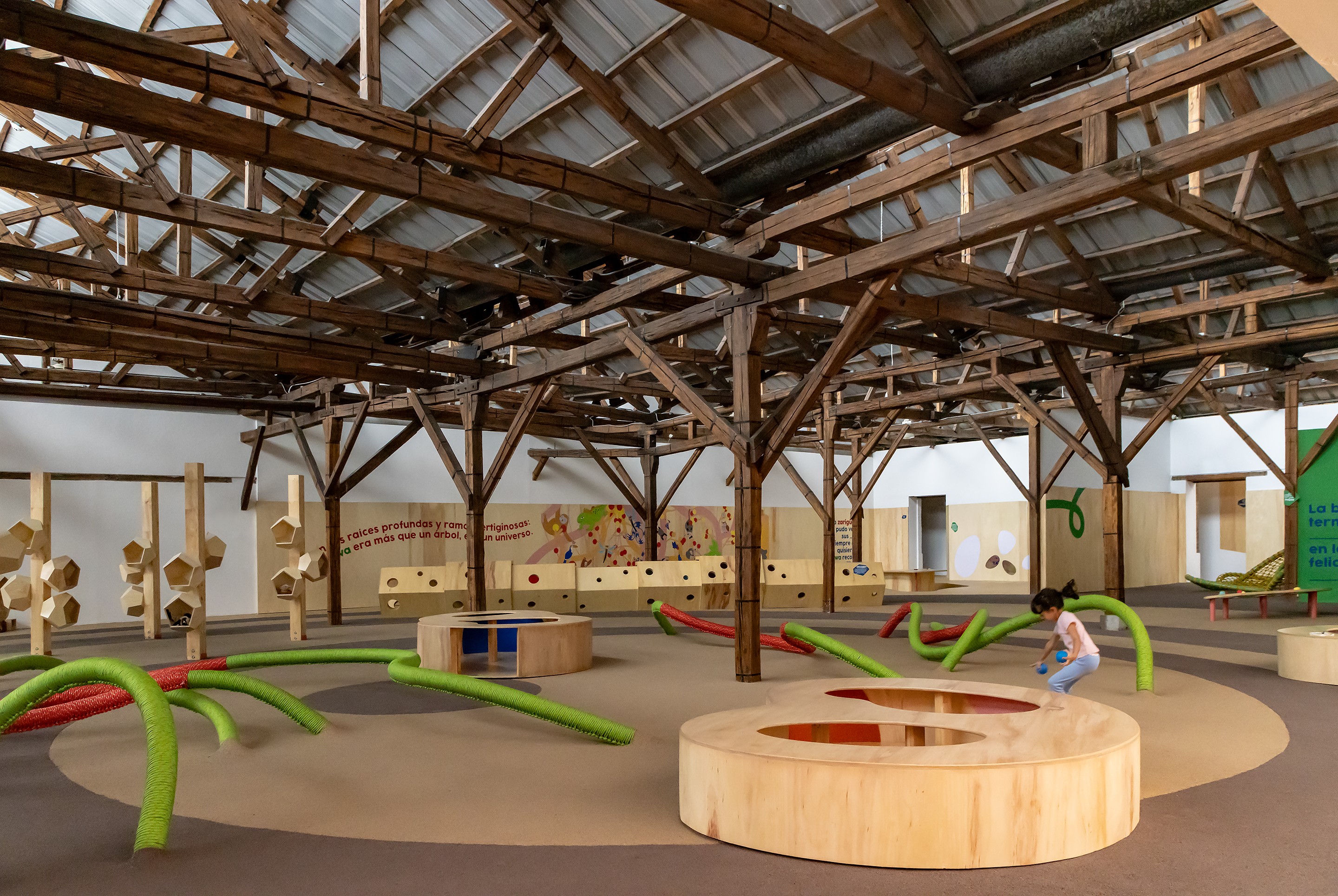
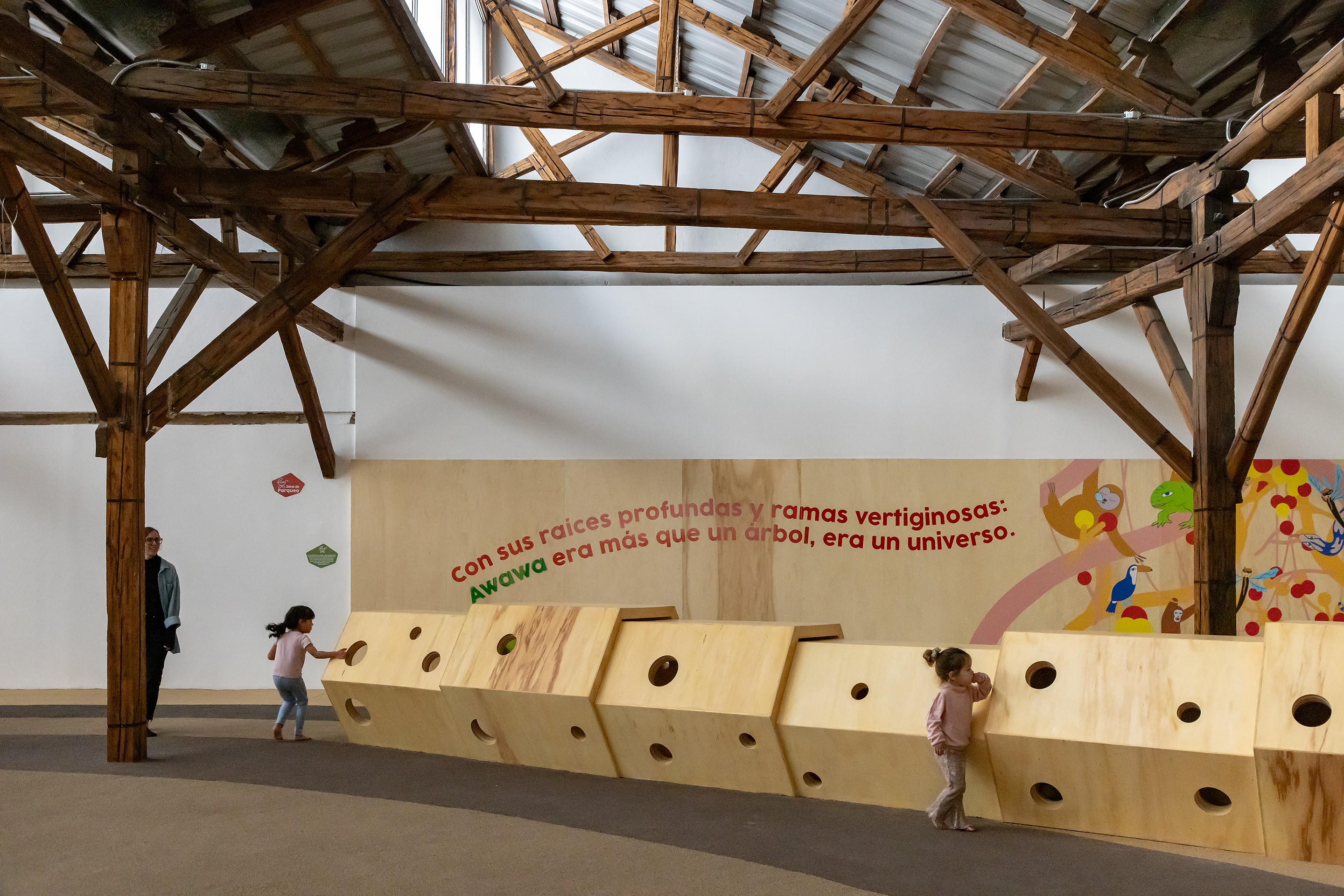
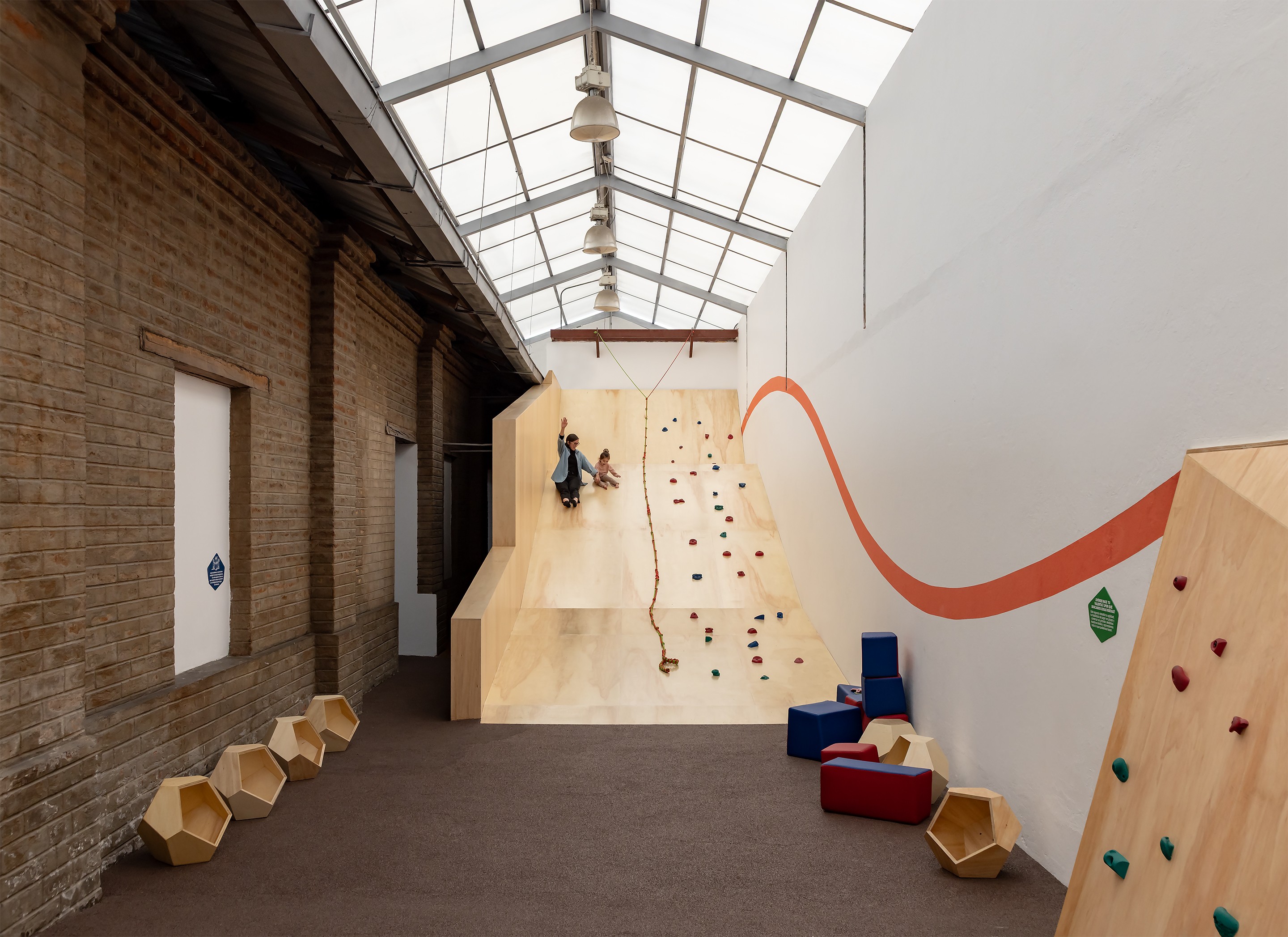
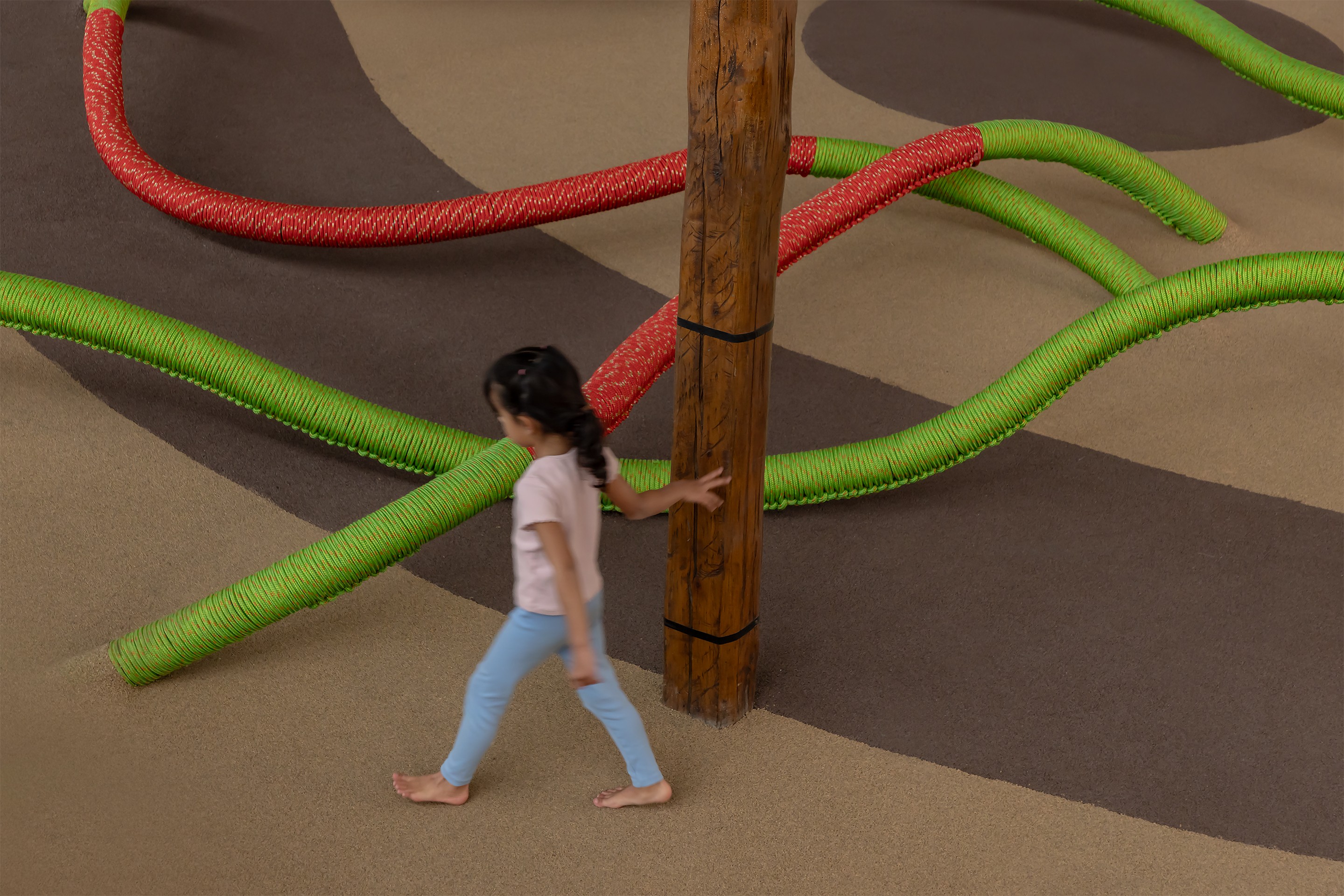
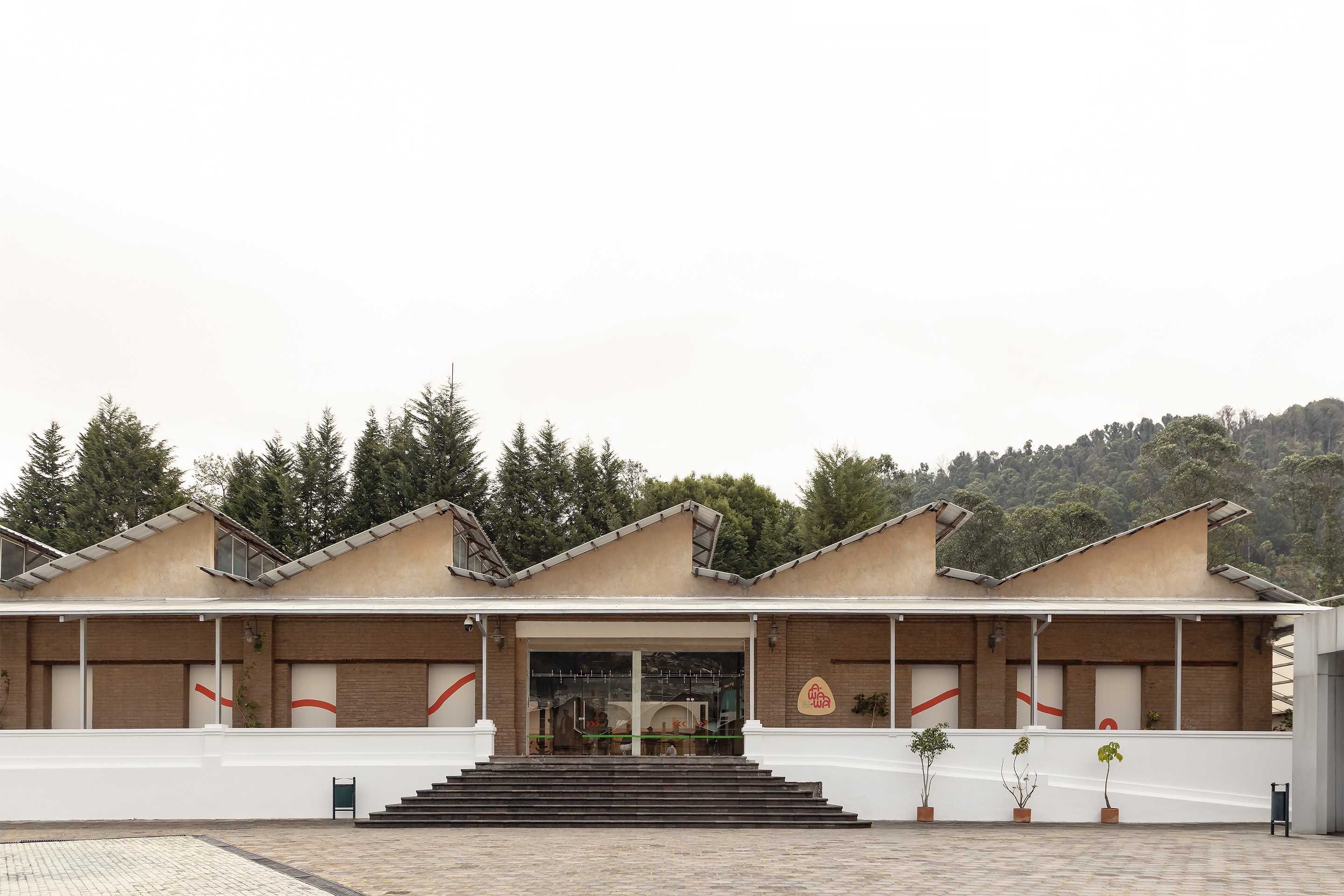
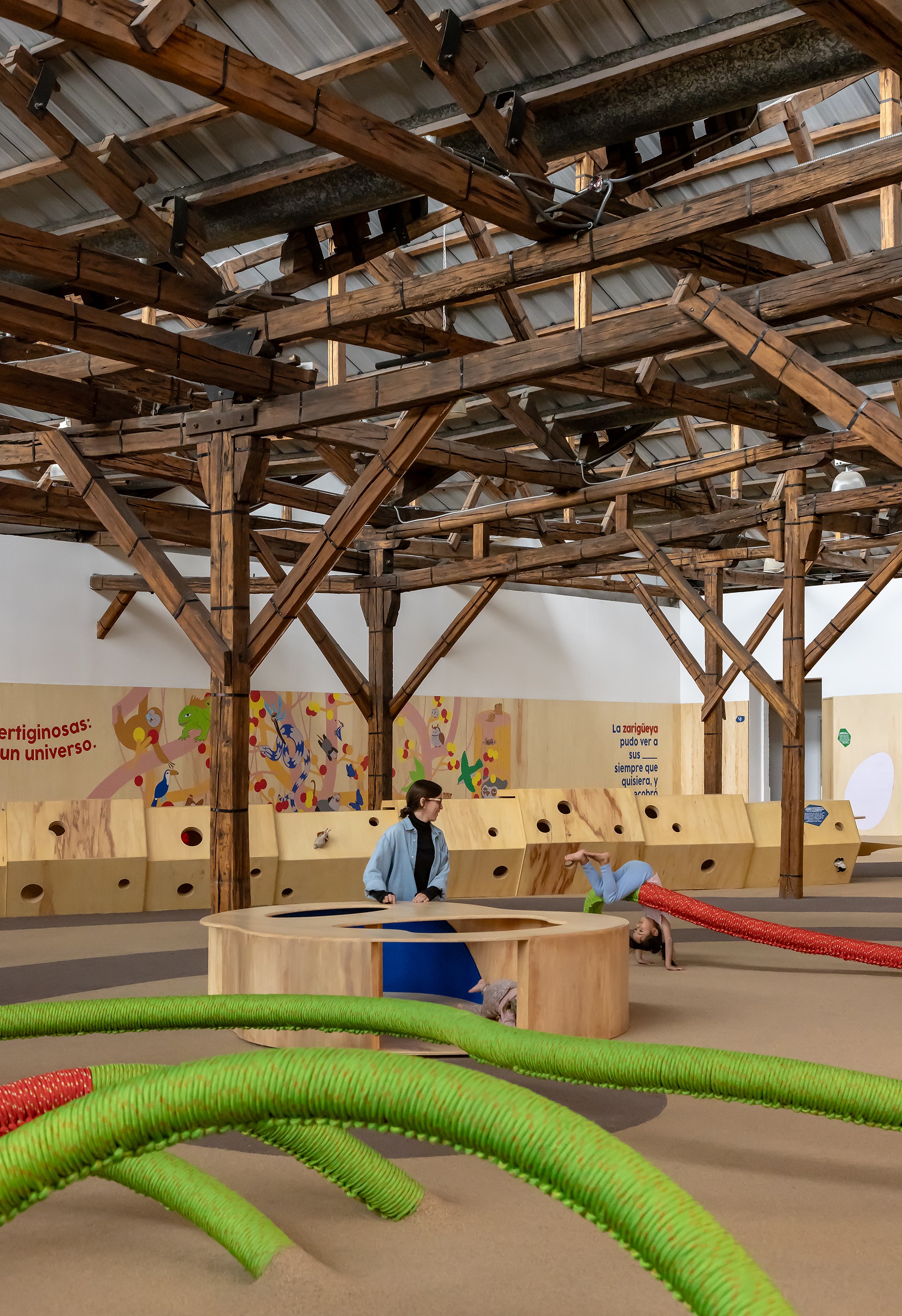
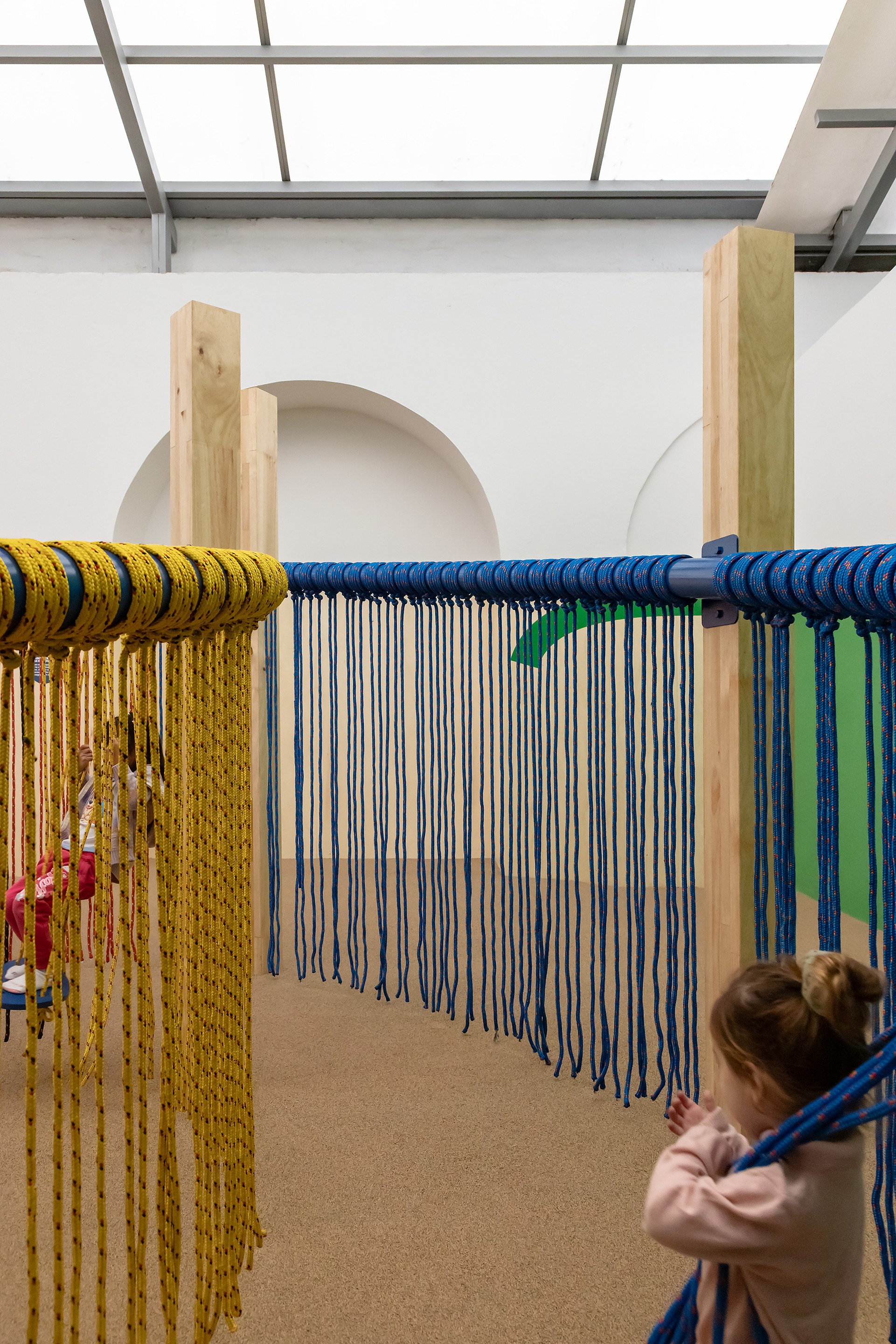
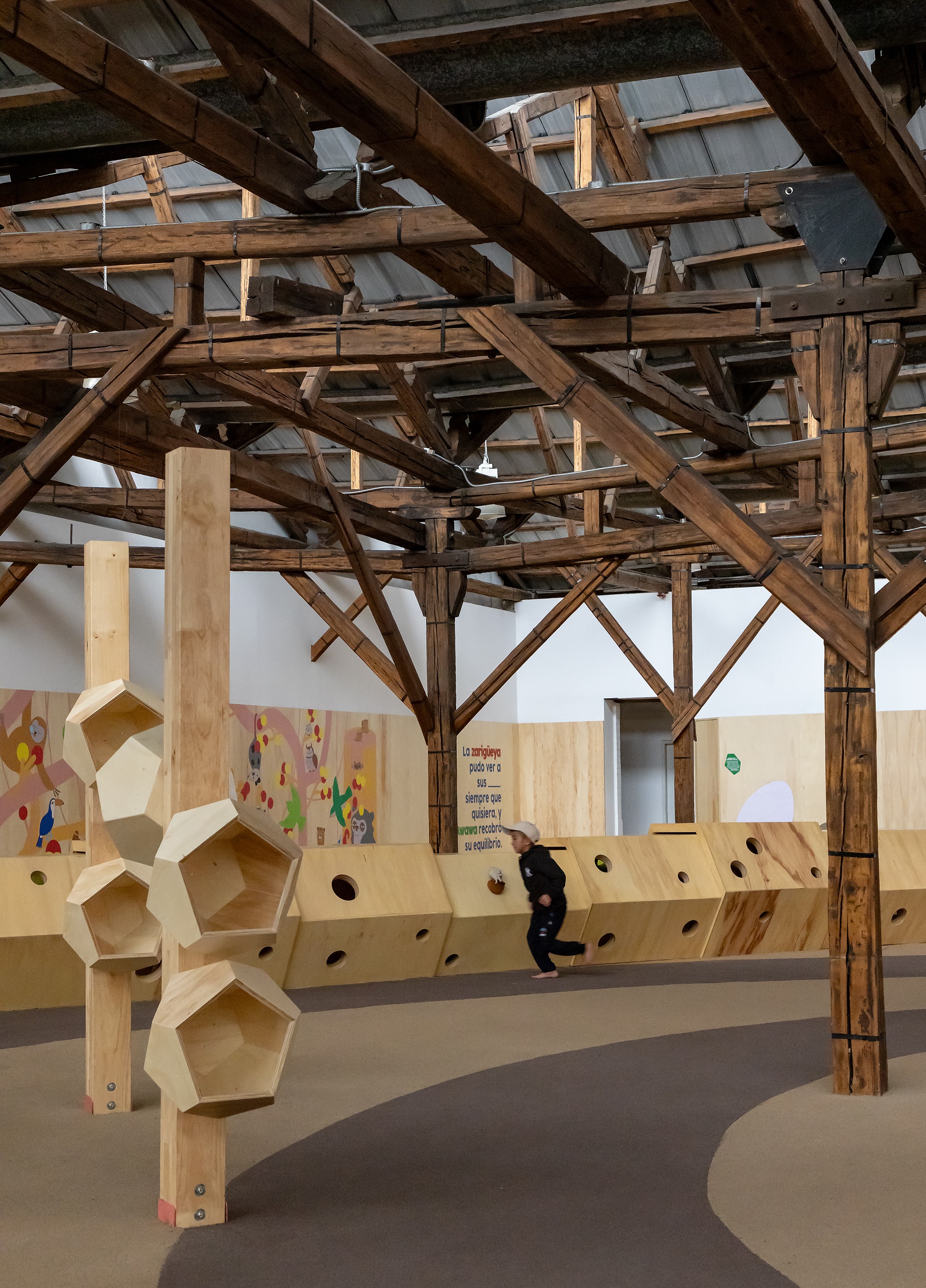
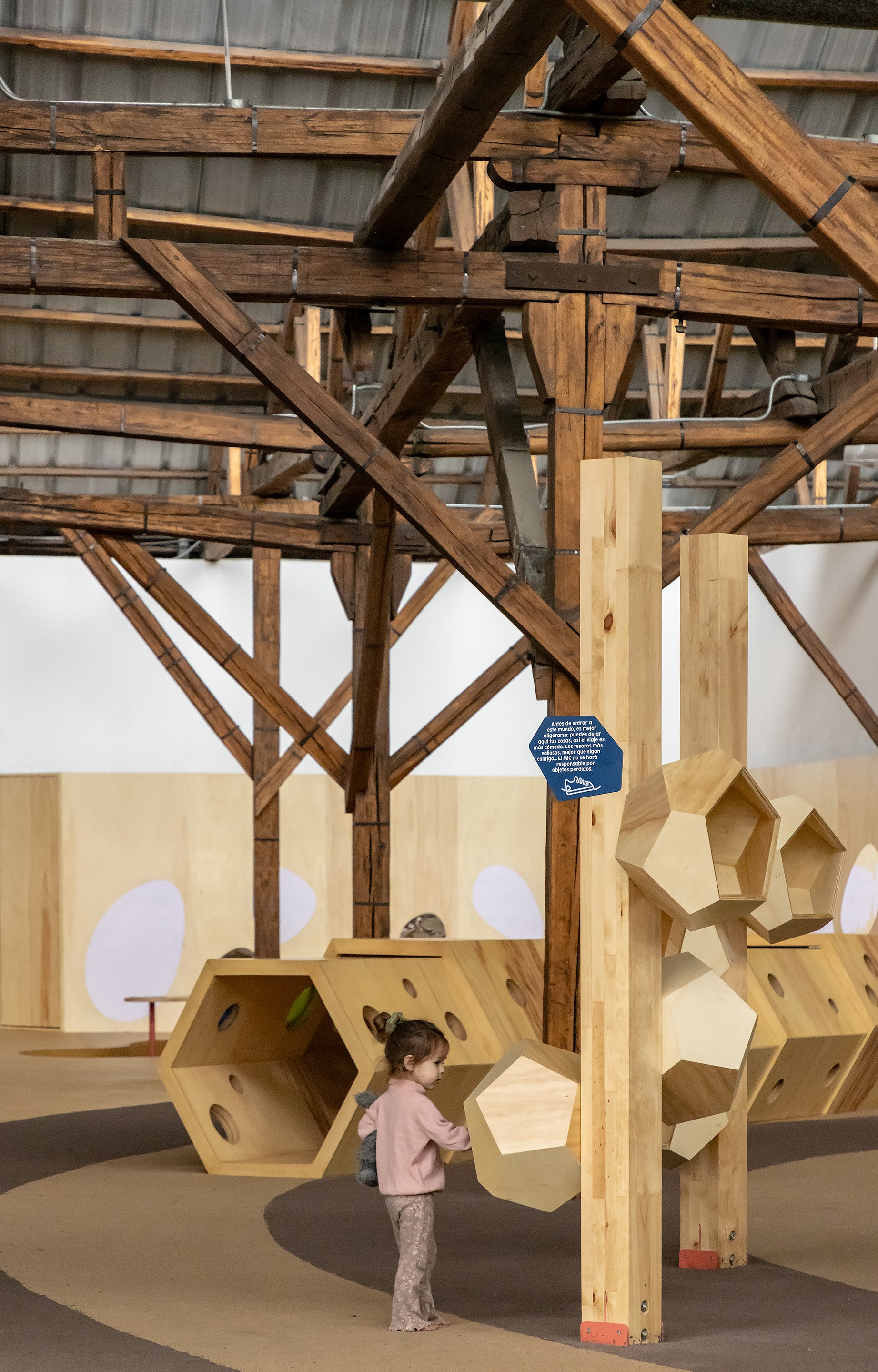
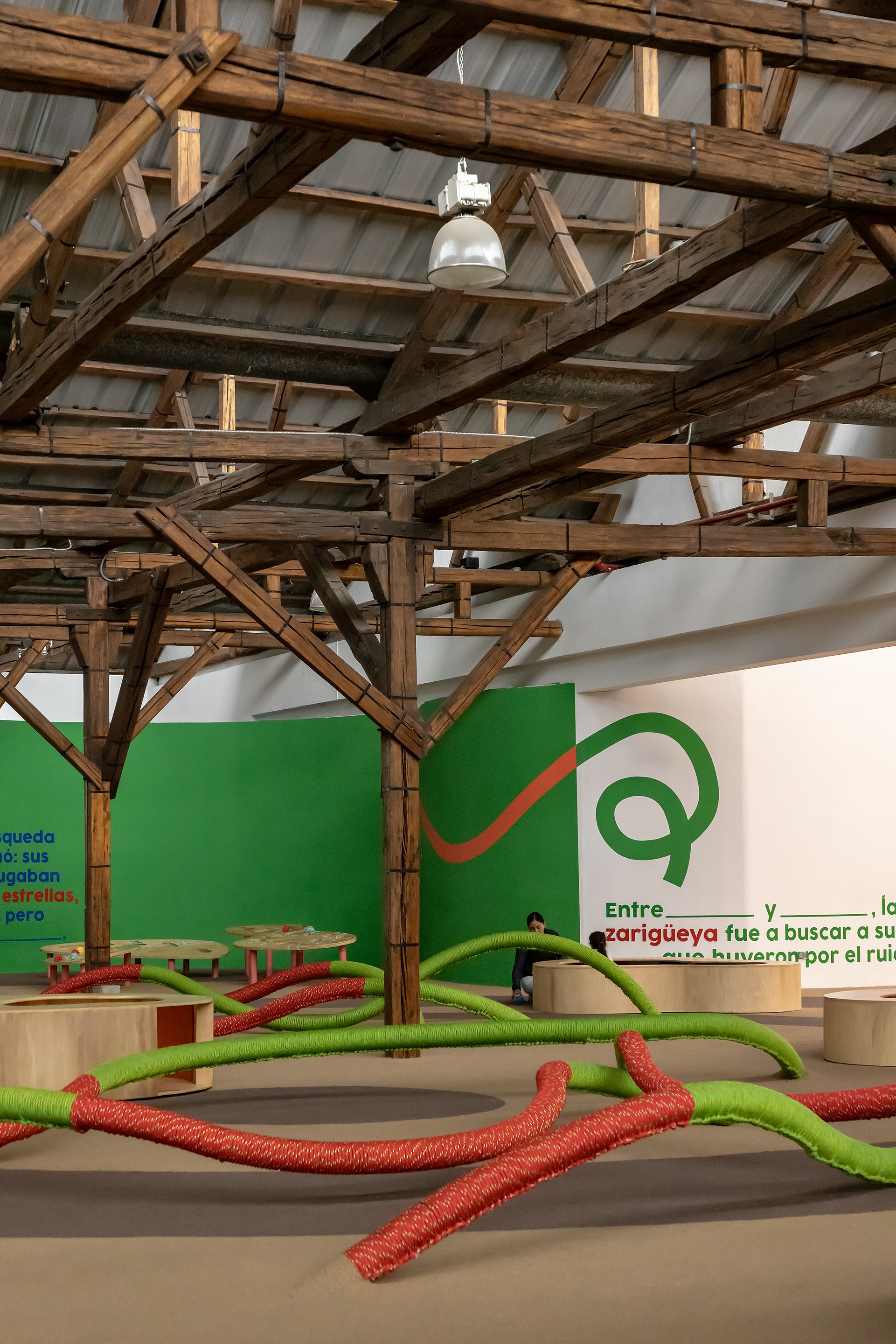
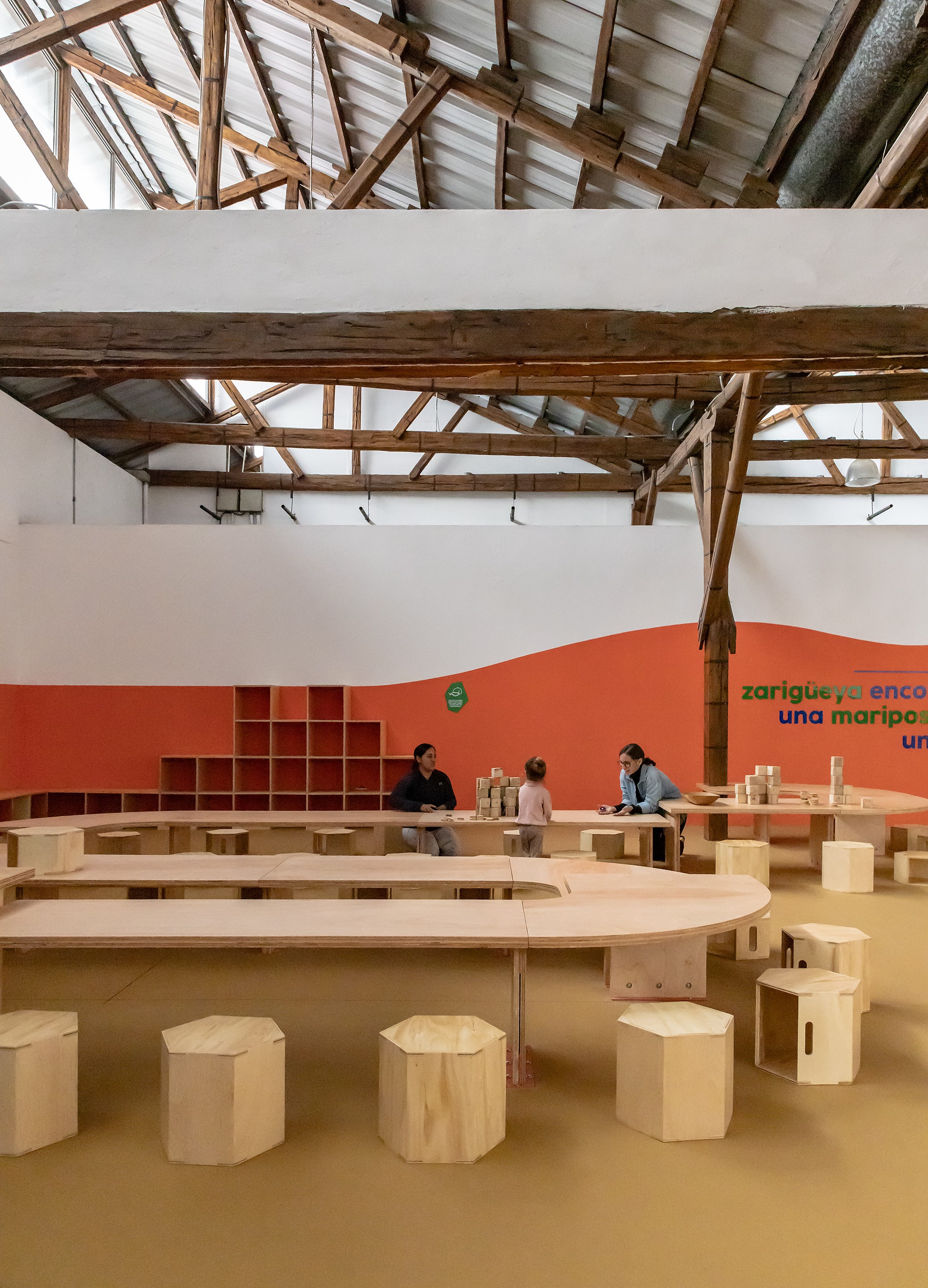
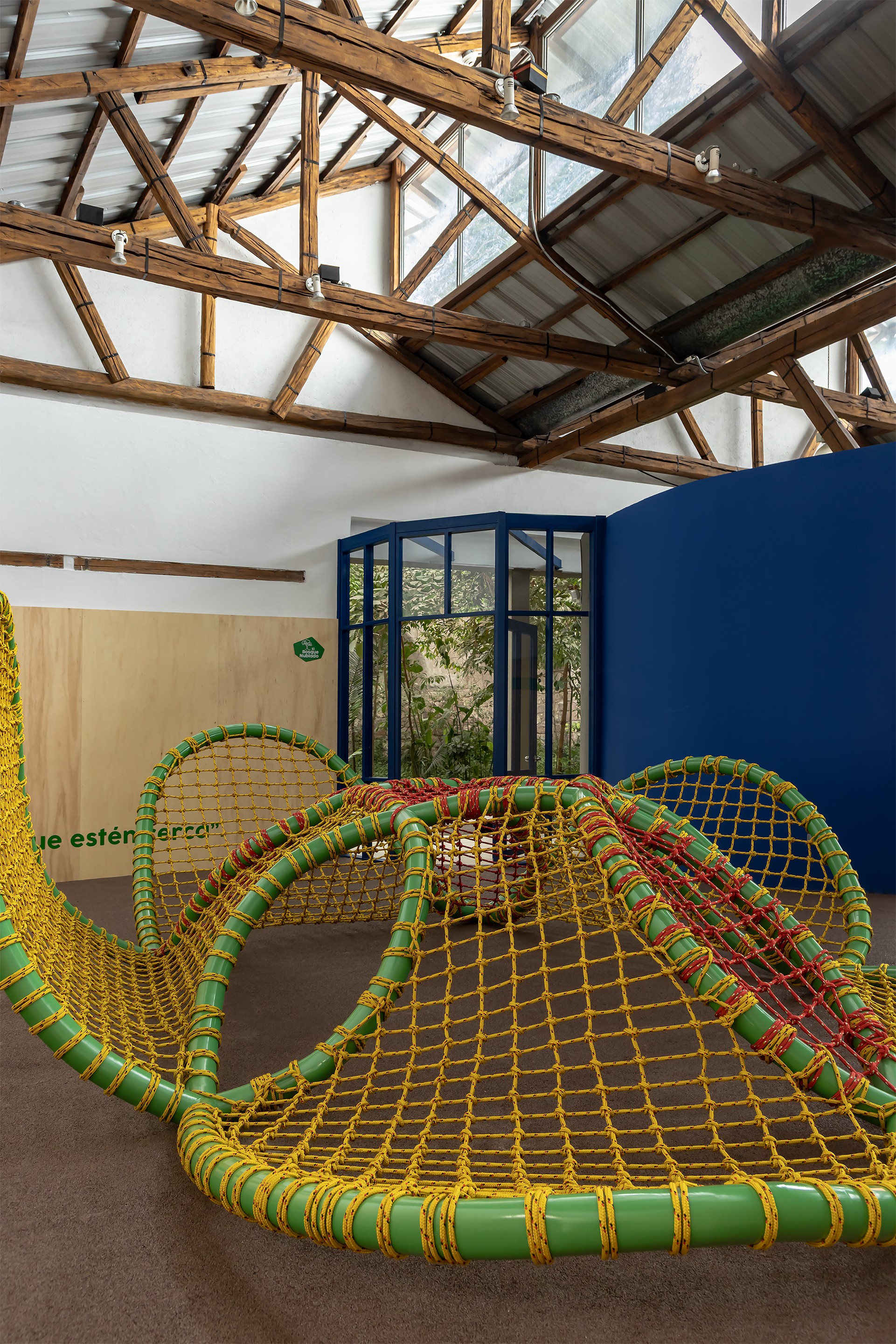
The Early Childhood Room at the Interactive Science Museum was conceived as an open ecosystem where architecture, materials, and the body interact without predetermined routes. Designed as a habitable landscape, the space combines wood, textiles, ropes, perforated surfaces, modular volumes, and woven structures to encourage free movement, sensory exploration, and autonomous discovery. Each zone offers different intensities—from climbing, balancing, and navigating soft terrains to moments of pause, observation, and calm—allowing every child to find their own rhythm.
Distributed across the 1500 m² room, sensory modules, tubular pathways, hexagonal platforms, reflective surfaces, and color‑filtering tunnels create a diverse environment that supports curiosity, cooperation, and early scientific thinking. Elements such as spore‑like storage objects, tactile tables, and a greenhouse‑like interior garden expand the experience into playful encounters with form, texture, and light. Developed through research and close collaboration with the museum team, the project embraces the responsibility of designing for early childhood, offering a landscape where exploration, imagination, and embodied learning unfold naturally through play.