Atahualpa
Client
PENDIENTE
Type
Art Installation / Modern Heritage Building
Location
Historic Center of Quito, Ecuador
Year
2019
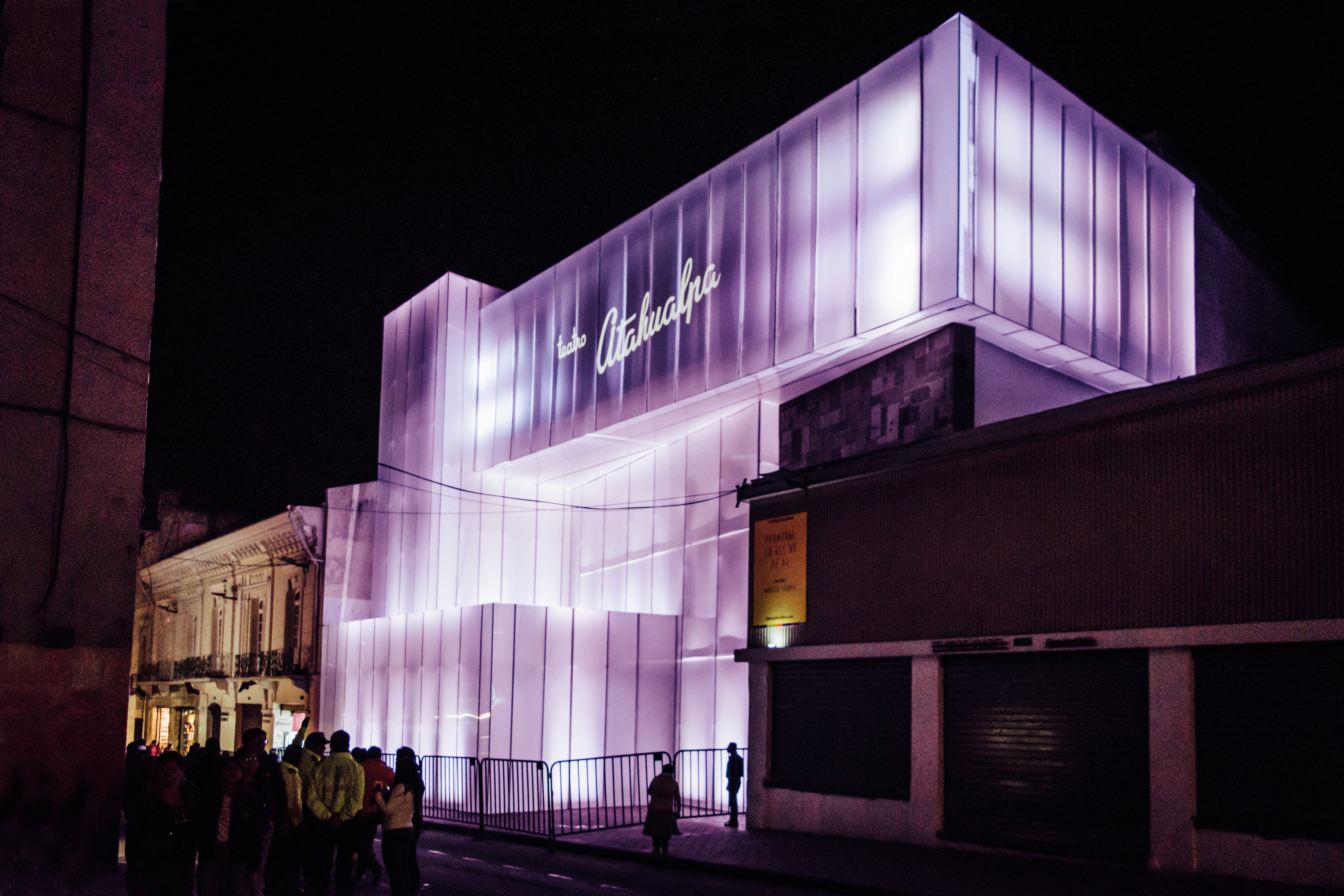
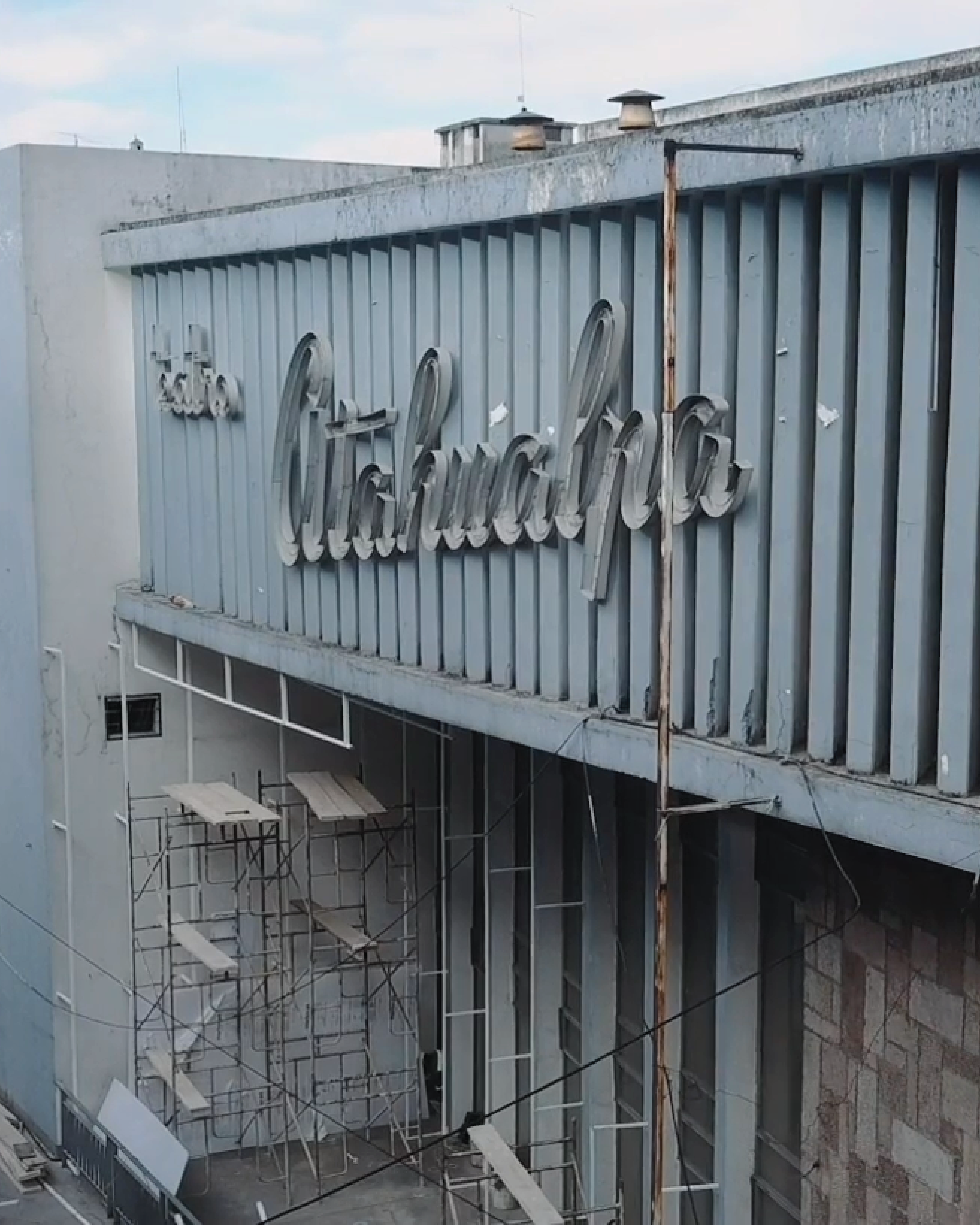
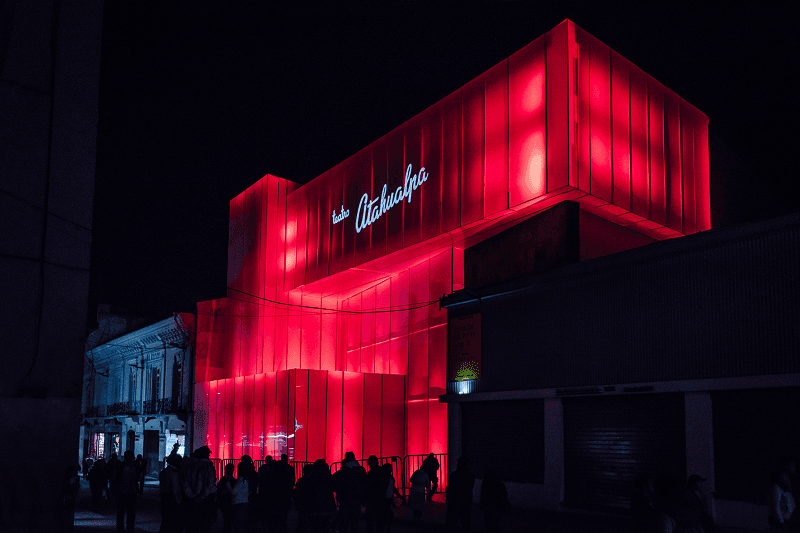
The luminous intervention at the Atahualpa Theater transformed the modernist building into an open archive where its memory could be inhabited again. Rather than altering the structure, the project revealed what time had obscured—its layers, material traces and forgotten narratives—highlighting the tension between what persists and what fades when light encounters architecture. By enveloping the façade in a radiant skin, the installation restored the visibility of its volumes and spatial rhythm, allowing a structure long absorbed into the background of daily life to regain symbolic weight within Quito’s cultural landscape.
Presented during Fiesta de la Luz, the work also became a bridge between Quito and Lyon, using light as a shared language across cities and temporalities. The theater, once nearly invisible in the historic center, resurfaced as a living body of light that dignified its modernist heritage. Through illumination, the building spoke again—its presence renewed, its stories reactivated, and its place within the urban fabric reconsidered.
How to make the invisible visible?
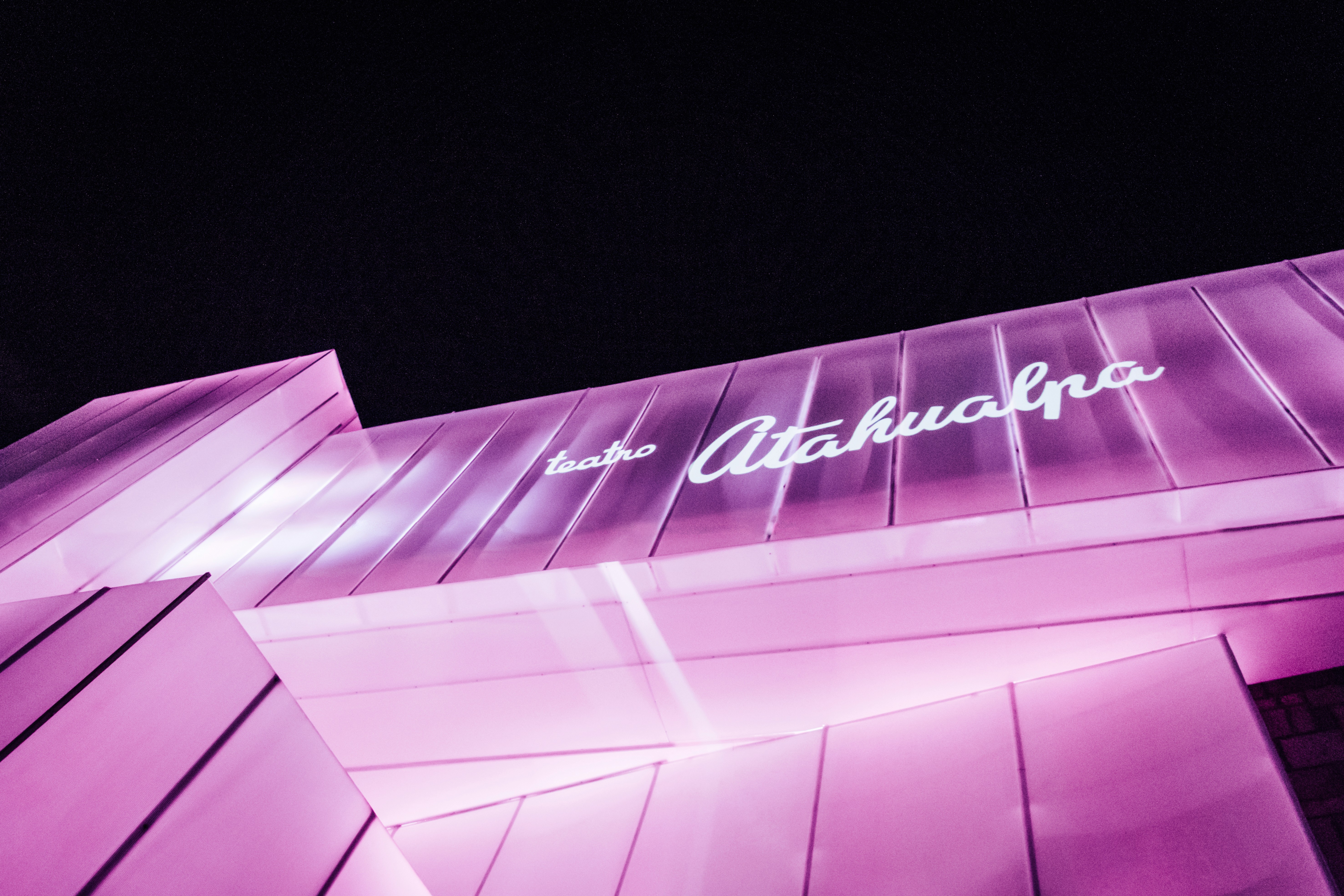
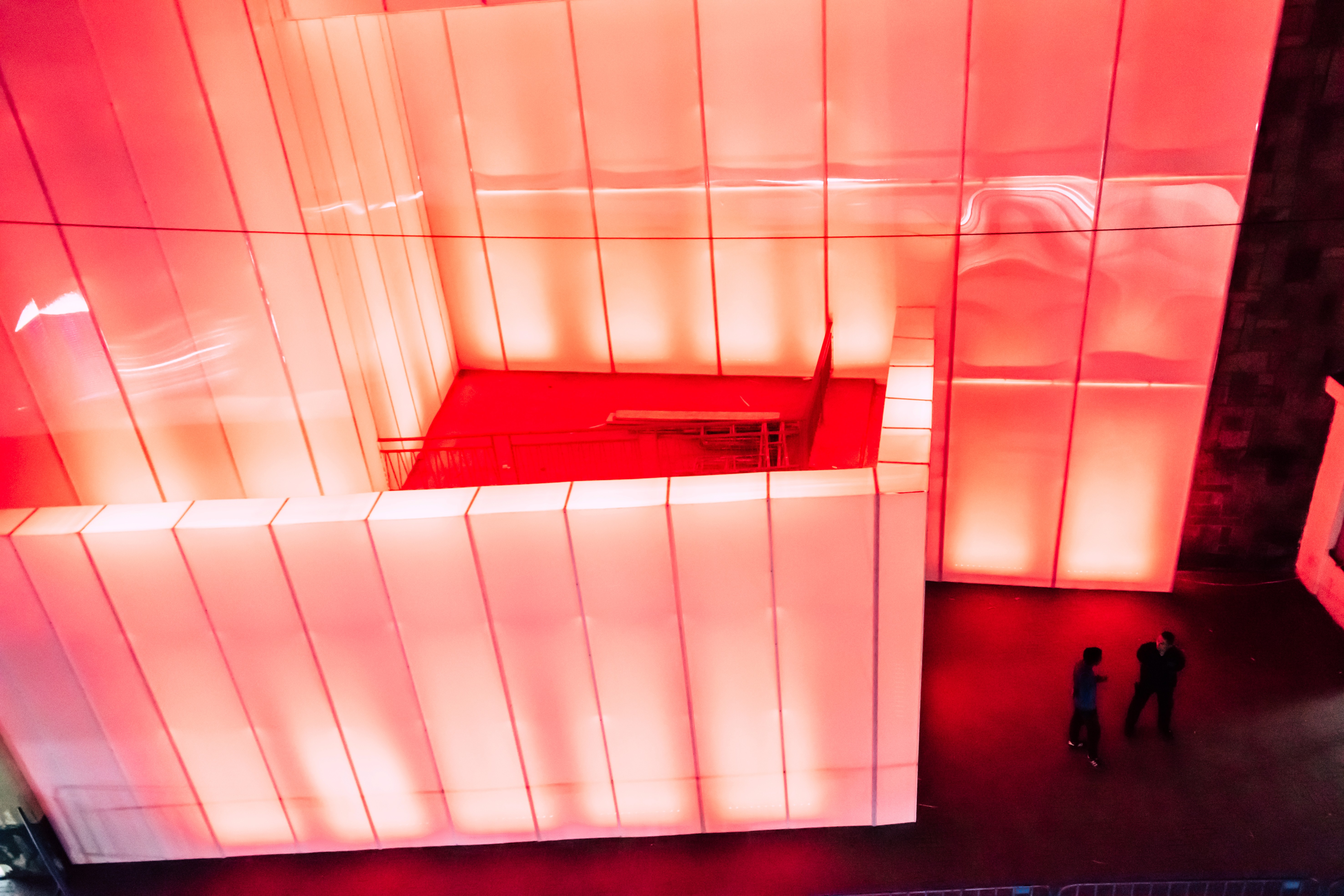
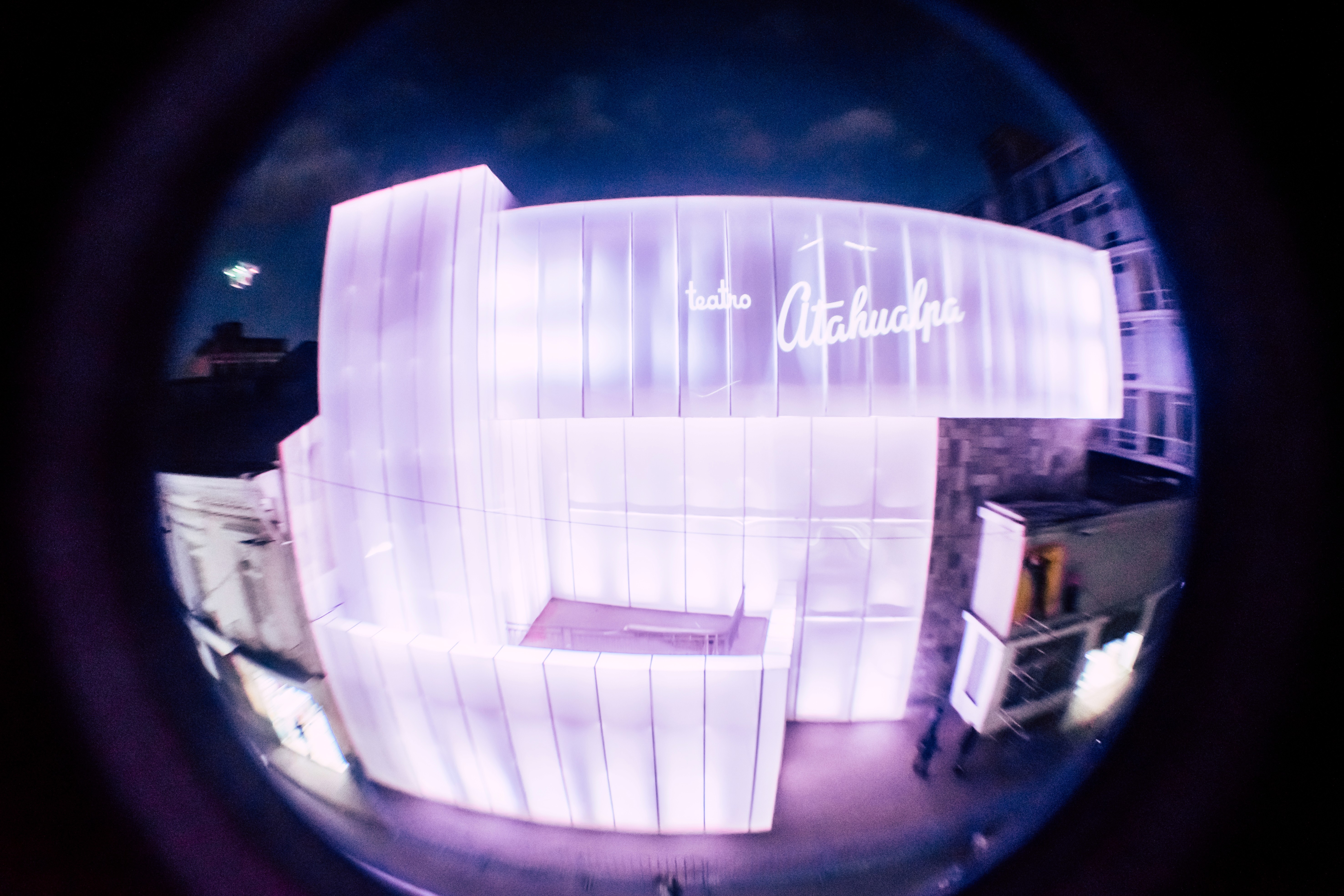
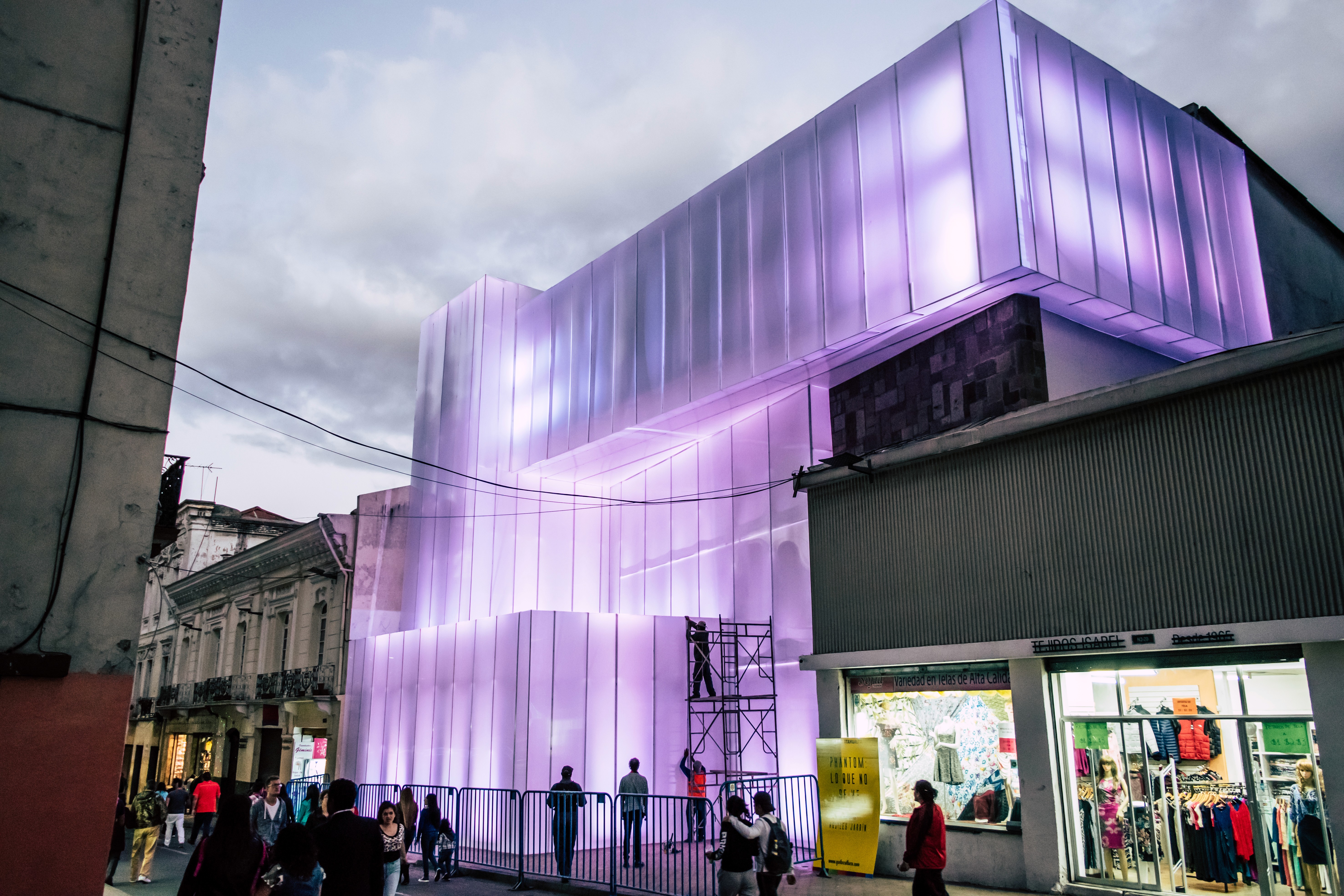
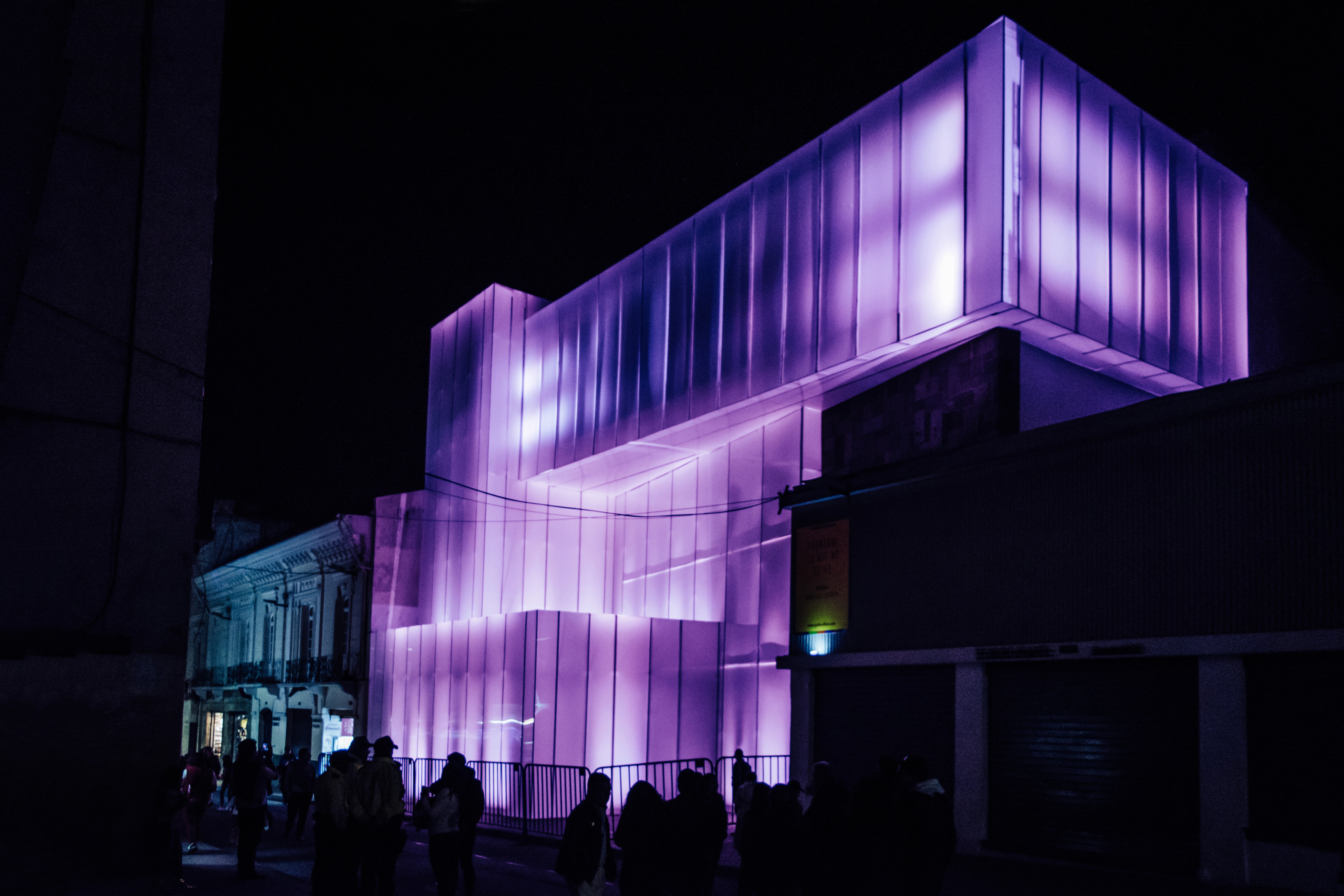
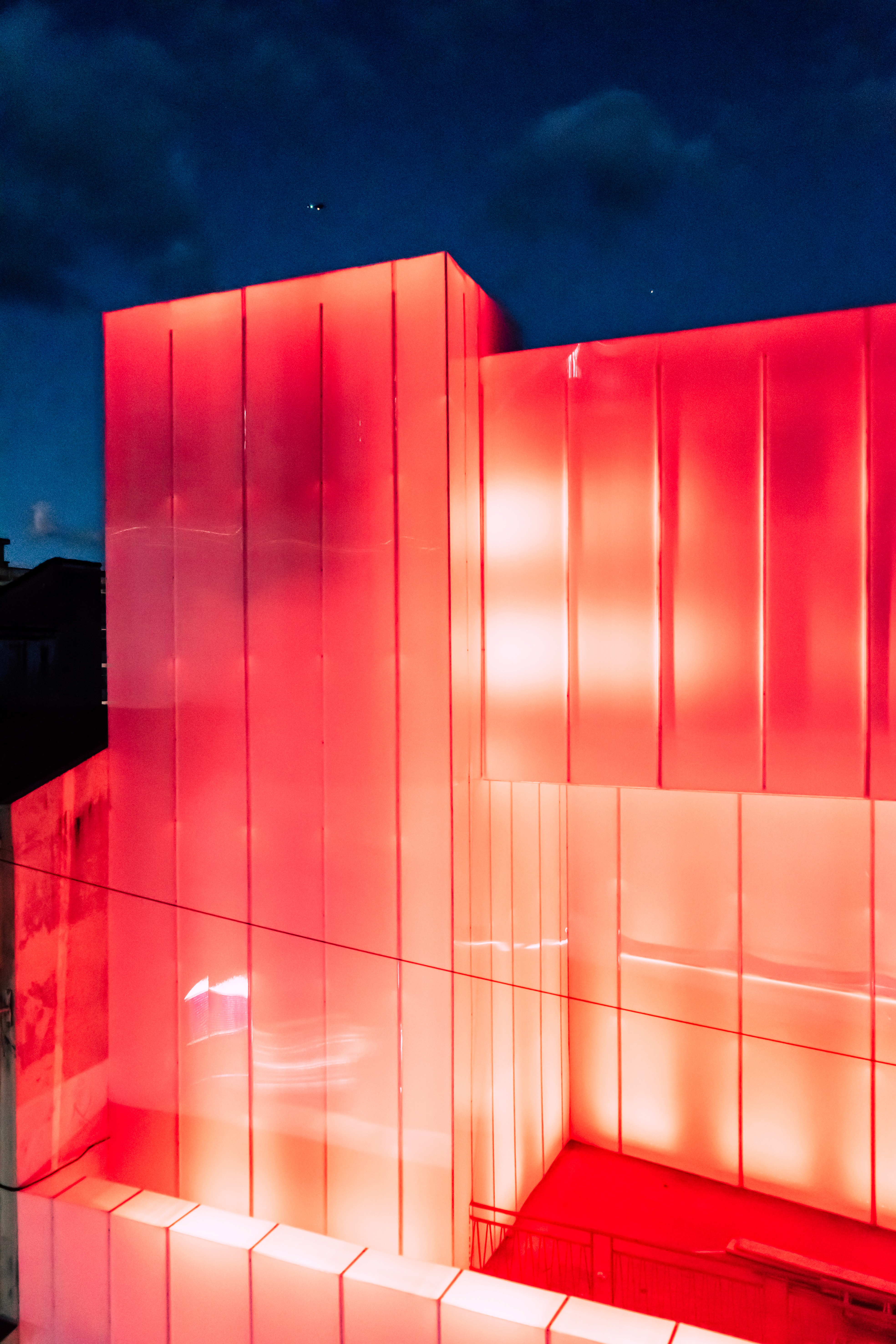
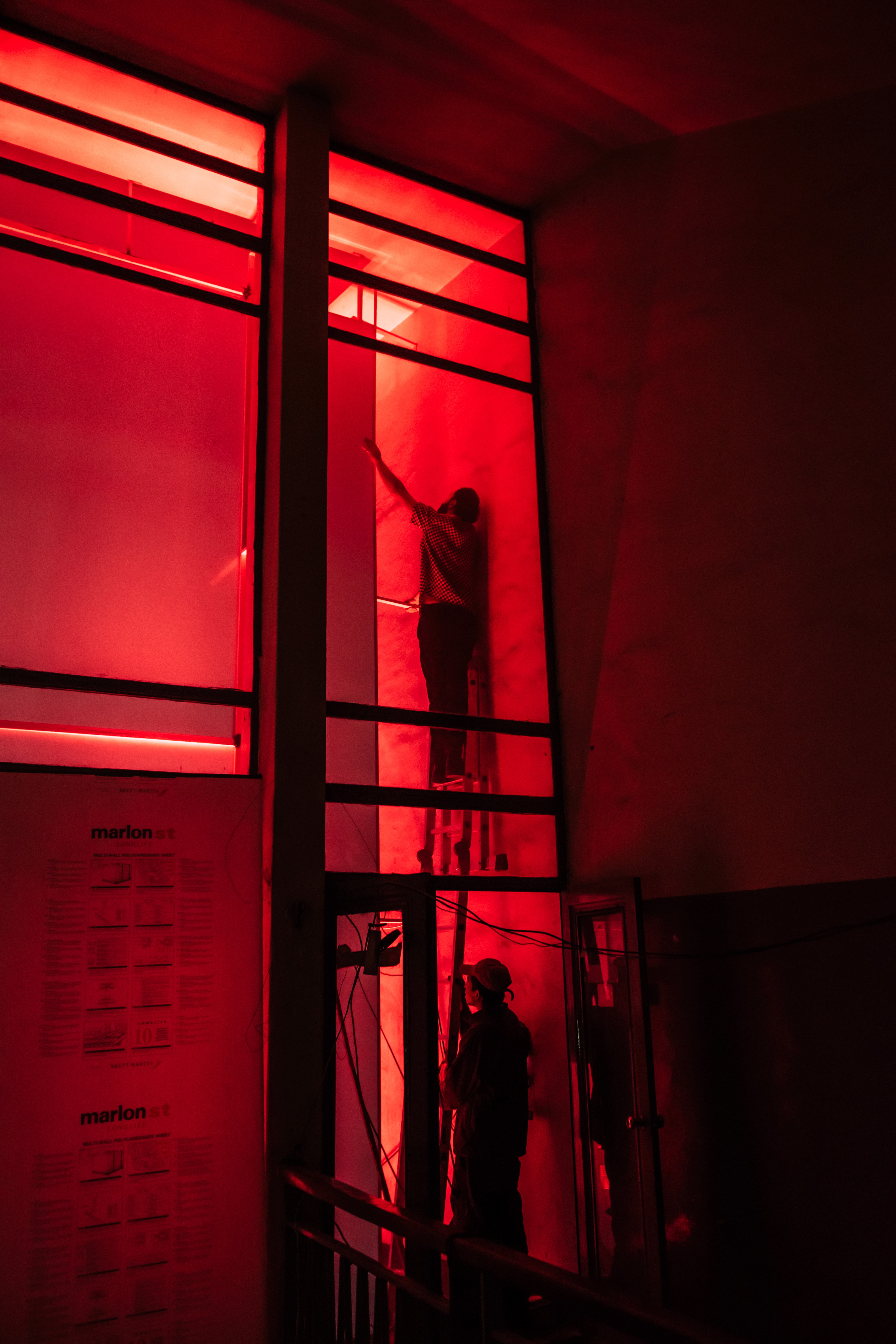
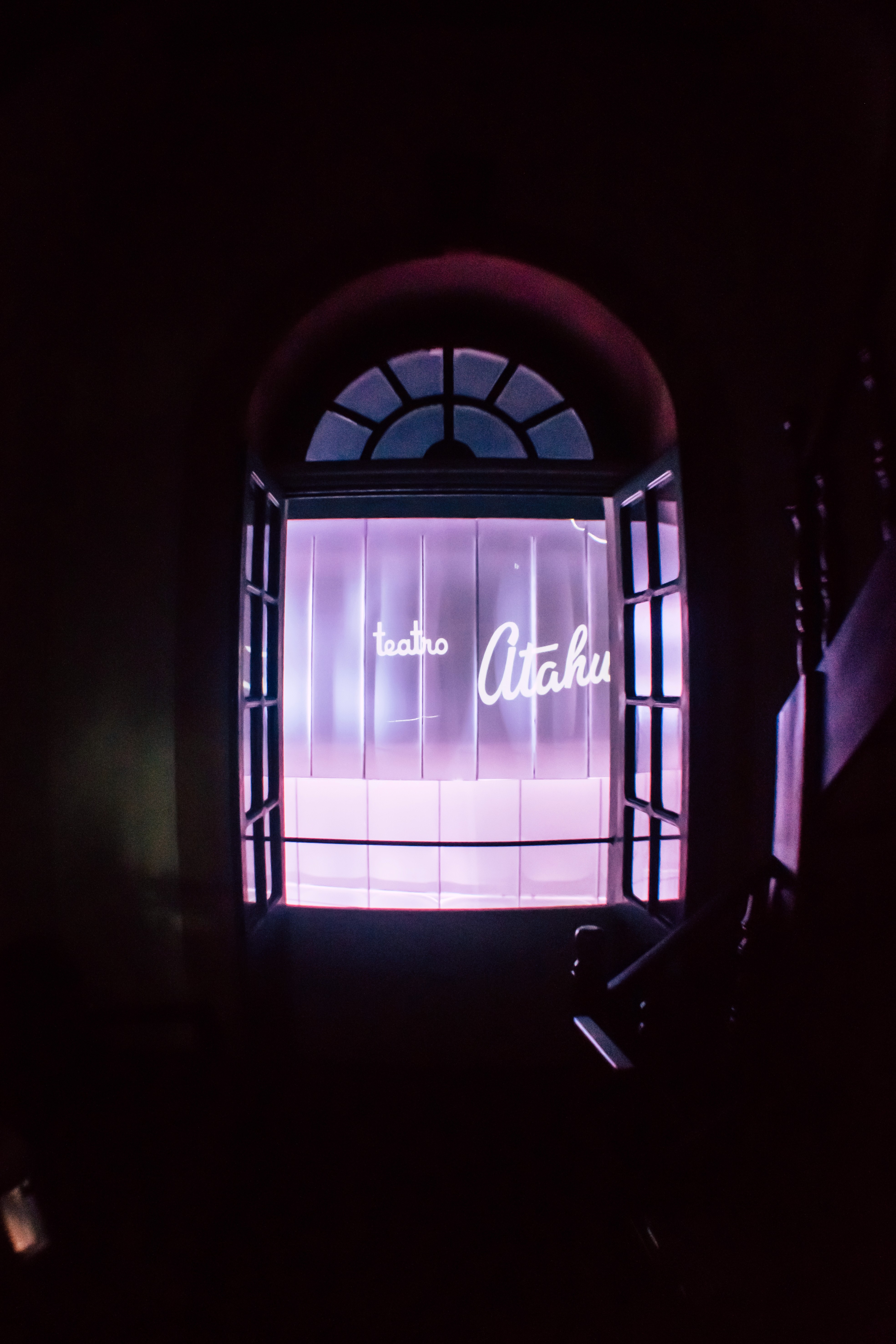
The luminous intervention at the Atahualpa Theater transformed the modernist building into an open archive where its memory could be inhabited again. Rather than altering the structure, the project revealed what time had obscured—its layers, material traces and forgotten narratives—highlighting the tension between what persists and what fades when light encounters architecture. By enveloping the façade in a radiant skin, the installation restored the visibility of its volumes and spatial rhythm, allowing a structure long absorbed into the background of daily life to regain symbolic weight within Quito’s cultural landscape.
Presented during Fiesta de la Luz, the work also became a bridge between Quito and Lyon, using light as a shared language across cities and temporalities. The theater, once nearly invisible in the historic center, resurfaced as a living body of light that dignified its modernist heritage. Through illumination, the building spoke again—its presence renewed, its stories reactivated, and its place within the urban fabric reconsidered.